

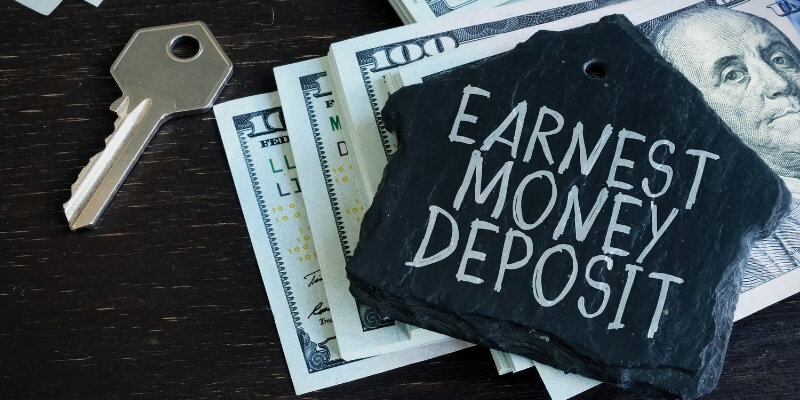
Buyers typically hand over thousands of dollars in earnest money before they fully understand what protects it, and Washington’s rules often differ sharply from what buyers assume they say.
What Is Earnest Money and Why Does It Exist in Washington
Picture a seller who’s already emotionally checked out of a house they’ve lived in for twenty years. They won’t pull that home off the market, turn down other offers, and wait on you for thirty days based on a handshake. Earnest money fills that gap. It turns your verbal promise into something a seller can count on.
Earnest money in Washington State is a good-faith deposit a buyer makes after mutual acceptance to show they’re serious about buying the property. Once both sides sign the purchase and sale agreement, the clock starts on the earnest money. The buyer typically has 2 business days after mutual acceptance to deliver the deposit, unless a different timeline is written into the contract. Miss that window, and the buyer could be in default before inspections even begin. That’s a rough way for any buyer to start a purchase.
A neutral holder keeps the earnest money, not the seller. Usually, that’s the escrow company or the buyer’s brokerage firm, which holds the money in a regulated trust account. Your deposit doesn’t get pocketed the moment you hand it over. It sits with that third party until the transaction closes or falls apart, safeguarded under Washington State trust account regulations. A seller can’t just walk off with your money because a sale went sideways.
Buyers sometimes treat earnest money like a reservation fee, something minor and mostly refundable. In Washington, think of it more like a performance bond. It exists to make the seller whole if you back out for reasons the contract doesn’t protect. If you are on the selling side and would rather skip contingencies altogether, here is how we buy houses for cash in Washington.
How Much Earnest Money Should You Offer in Washington

Getting this number wrong can cost you the house. In June 2026, homes in Washington sold for a median price of $617,990. Earnest money is typically 2% to 5% of the purchase price, putting the range at $12,000 to $31,000. Competitive markets push toward that upper end, though the amount is fully negotiable.
A couple of years ago, I worked with an out-of-state heir who’d inherited a split-level in Bothell. He’d been transferred to a new job and had five weeks to be out. A buyer toured the house on a Tuesday and made a full-price offer, but backed it with earnest money under 1% of the price. In greater Snohomish County, sellers read a low deposit as a weak commitment, and that number spooked the seller into taking a backup offer instead. A larger deposit would have locked down the property that same afternoon.
In high-demand areas like Bellevue, Redmond, and Kirkland, buyers often put down more earnest money to make their offer stand out. Statewide median days on market were 33 days in June 2026, up 7 days year over year. Sellers still have options. They’re just taking a little longer to choose, sometimes much longer out in the suburbs.
A minimal deposit in a Kirkland bidding situation reads as low commitment. Offering 3% or more on a Redmond property listed near $800,000 tells the seller you won’t waste anyone’s time. That signal alone can move a seller to pick your offer over a competing one at a similar price.
How Earnest Money Works as a Negotiation Tool in Washington
Sellers read earnest money the way a landlord reads a rental application. A small earnest money deposit on a big purchase can make it seem like the buyer has one foot out the door. A larger deposit says you’ve done your homework, your financing is solid, and you intend to close. Sellers remember that signal.
The structure matters almost as much as the size. Some buyers use a tiered approach, releasing part of the earnest money once the inspection period clears, then adding a second deposit closer to closing. This gives sellers confidence in stages, rather than asking the buyer to front the full amount on day one. Washington’s purchase and sale agreement, the NWMLS Form 21 used by most brokers and realtors across the state, allows for this kind of custom structure.
In competitive markets like Seattle and Snohomish County, earnest money can decide whether you win the house or lose it to another offer. Listing brokers often advise sellers to weigh the strength of the deposit and the number of contingencies right alongside the price of the offer. A low earnest money amount can quietly sink an otherwise strong offer.
Buyers in a slower pocket of the state, like a rural parcel east of the Cascades, usually have more room to negotiate the amount down. A good real estate broker who knows their county can tell you where the floor sits. In my experience, that number is often lower than buyers assume going in.
When Does Washington Allow Earnest Money to Be Refunded
A buyer went under contract on a West Seattle Tudor and paid a $15,000 deposit. Then the inspector found foundation cracks that the seller hadn’t disclosed. He canceled under the inspection contingency and got every dollar back. That’s exactly what the contingency is built to do.
Earnest money may be refunded if the contract includes contingencies that protect the buyer. A financing contingency covers you if you can’t secure a loan. An inspection contingency covers you if major issues turn up during a home inspection. An appraisal contingency covers you if the home appraises for less than the agreed price and negotiations fail.
Timing is everything with contingencies. Exercise one correctly and on schedule, and the earnest money comes back. Miss the deadline by even a day, and you’ve likely waived that protection, even when the underlying problem is real.
A seller who defaults on the agreement owes the buyer the earnest money. If a seller accepts your offer and then tries to back out to chase a higher offer, you have a legitimate claim to the deposit. That happens more than sellers admit. A real estate lawyer can help you enforce the claim if the seller resists.
When Is Earnest Money at Risk in Washington

Buyers sometimes assume they’ll get their money back no matter what happens. Washington law doesn’t work that way.
If the buyer backs out without a contractual reason, the seller may be entitled to keep the earnest money as compensation for lost time and lost offers. The purchase and sale agreement most Washington realtors use gives sellers a choice when a buyer defaults. They can keep the earnest money as liquidated damages or pursue actual damages through litigation. Most buyers and sellers pick forfeiture of earnest money as the sole remedy, which keeps litigation off the table from the start.
Washington law caps the amount a seller may recover under a liquidated damages clause. Under RCW 64.04.005, a written agreement can make forfeiture of the earnest money the seller’s sole and exclusive remedy. That clause is valid and enforceable even if the seller suffers no actual damages. But the cap is firm. The amount of earnest money forfeited under this kind of clause can’t exceed 5% of the purchase price.
Here’s the catch. That 5% cap only protects the buyer when the earnest money deposit is 5% or less of the price. Push your deposit above that line, and Washington courts have found the seller can pursue whatever remedies the law or equity allows, not just the capped amount. Keep your deposit at or below 5%, and you’ll have a cleaner legal footing if things go sideways.
What Happens to Earnest Money at Closing in Washington
The escrow company doesn’t hand your earnest money back to you at closing. That money gets absorbed straight into the transaction totals.
If the sale moves forward, the earnest money is credited toward the buyer’s closing costs or down payment. Your lender and escrow officer will account for it on the closing disclosure, so the cash you bring to the table is reduced by whatever deposit you already made. On a home priced around $617,990, that credit can cover a meaningful slice of closing costs.
Closing costs in Washington for sellers typically run 6% to 10% of the home’s sale price, while buyers shoulder a much smaller share. Knowing that, buyers can use the math to their advantage. A larger earnest money deposit, once credited at closing, cuts the out-of-pocket cash needed on closing day.
Disputes change the picture entirely. When a transaction collapses and both the buyer and the seller claim the earnest money deposit, the escrow agent doesn’t get to pick a winner. If a party breaches the agreement and the two sides can’t resolve the dispute, the escrow officer will interplead the deposit with the court, and the parties will litigate their claims from there. This interpleader action, governed by RCW 64.04.220, means your money sits frozen in a court account, sometimes for many months, while attorneys sort out who gets it. That process costs both sides time and money, which is exactly why clear written contingencies matter so much up front.
Practical Tips for Washington Home Buyers on Earnest Money

A woman I worked with was settling her late father’s estate in Auburn. She’d been collecting rent on the place for two years but never wanted to be a landlord. Juggling inspections, financing timelines, and earnest money deadlines while managing an estate felt like a second job. One missed deadline from either side can unravel everything, so sellers in complicated situations do best with buyers who move cleanly and on schedule.
Several things protect your earnest money and your sale in Washington.
Read every deadline in your purchase and sale agreement before you sign. Washington real estate contracts include strict timelines for inspections, loan approval, and appraisal, and missing even one date can void your contingency protection. Put those dates in your phone the same day you sign.
Confirm who’s holding the money. In most Washington transactions, a neutral third party, such as an escrow company or title office, holds the earnest money. Verify routing instructions by phone before you send a single dollar. Wire transfer fraud is a real risk.
If you’re selling a property without the time or energy for the traditional listing process, Sell My House is a local option worth a call. We buy properties directly, skip the contingency period, and remove the risk of earnest money from the equation for sellers. No waiting on a buyer’s financing contingency or appraisal. If you’re on the east side of the state, this company that buys houses in Spokane, WA, can make the same kind of direct, contingency-free offer.
Work with a broker or real estate attorney who can walk you through the contingency language before you waive anything. Waiving an inspection contingency in a Tacoma bidding war feels fine right up until the sewer line fails two weeks after closing. Know what you’re giving up before you give it up. If you’d rather skip that risk altogether, these cash house buyers in Tacoma, WA, buy as-is, so there’s no inspection contingency to waive in the first place.
Frequently Asked Questions
In What Cases Do You Lose Earnest Money?
You lose your earnest money when you back out of a purchase without a valid contractual reason, meaning there was no active contingency you exercised properly and on time to protect that money. If you simply change your mind, can’t get financing after waiving your financing contingency, or miss a contract deadline, the seller has grounds to keep the deposit. Under RCW 64.04.005, that forfeiture amount is capped at 5% of the purchase price when earnest money serves as the seller’s exclusive remedy.
How Much Is Earnest Money on a $400,000 House?
For a $400,000 purchase in Washington, a standard earnest money deposit of 2% to 5% amounts to $8,000 to $20,000. The right number depends on how competitive the local market is and what you’re comfortable putting at risk during the contingency period. In slower markets, you can often come in toward the lower end on your earnest money. In places like Bothell or Redmond, a stronger deposit helps your offer stand out.
What Closing Costs Do Sellers Pay in Washington State?
Washington sellers typically pay between 6% and 10% of the sale price in total closing costs, with the largest share going to agent commissions. Beyond commissions, sellers are responsible for the state real estate excise tax, their prorated share of property taxes, title insurance, recording fees, and escrow fees. If you’d rather avoid that cost stack entirely, Sell My House offers a direct-sale option where many of those traditional fees don’t apply.
Can Earnest Money Go Directly to a Seller?
In Washington, earnest money generally doesn’t go directly to the seller before closing. The escrow company or buyer’s brokerage firm holds the funds in a regulated trust account. The deposit goes to the seller only at closing, as part of the purchase proceeds, or if a buyer defaults and the contract grants the seller that forfeiture right. An escrow agent holding disputed funds will file an interpleader action with the court rather than release money to either party on its own.
Maybe your situation is more complicated than a clean market sale. You might be handling an estate, dealing with a property that needs work, or just want to skip the contingency maze entirely. Either way, we’re here to talk it through. Reach out to Sell My House when you’re ready, or contact us with any questions first: no pressure, no obligation, just a straight conversation about your options.
Helpful Washington Blog Articles
- Can I Sell My Parents’ House with Power of Attorney in Washington
- Selling an Estate Home in Washington
- How to Sell a House in Forbearance in Washington
- Can Sell a House As-Is Without Inspection
- Can I Short Sell My House to a Relative or Family Member?
- Can You Sell a House with a Mortgage in Washington
- Can You Sell a House With a Lien in Washington?
- How to Sell an Inherited Property in Washington
- How To Sell A Fire-Damaged House In Washington
- Selling A House with Foundation Problems in Washington
- How to Sell A House Without A Realtor in Washington
- How Long Does It Take to Sell A House in Washington
- Can My Spouse Sell Our House Without My Consent in Washington
- Selling A House With Water In The Crawl Space In Washington
- How To Sell Your House On Facebook Marketplace
- How Much Does Home Staging Cost In Washington State
- Washington Earnest Money Rules