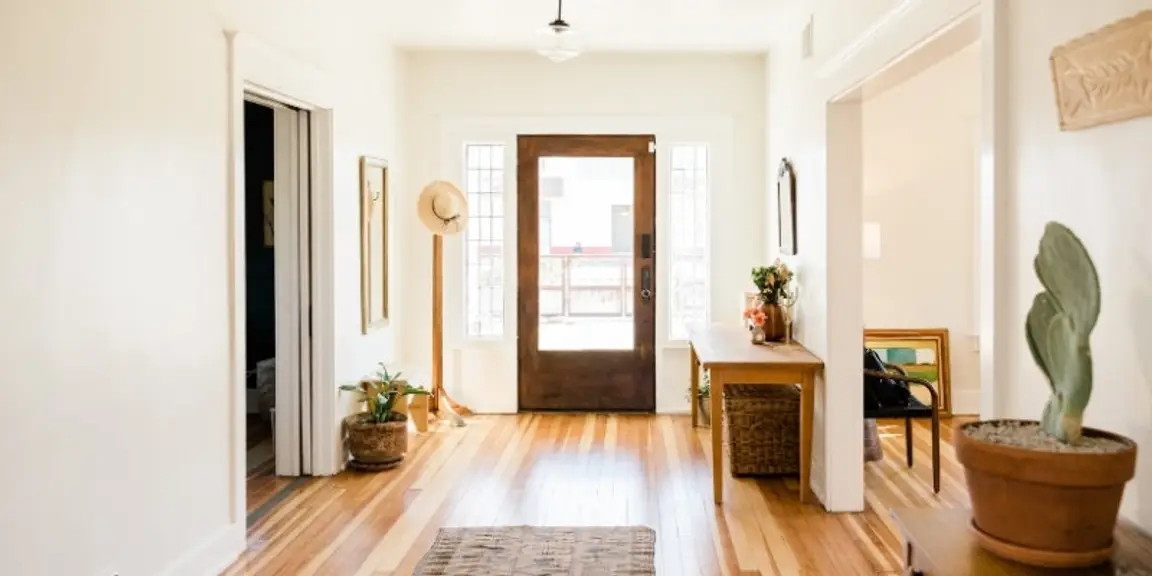


Spend a Saturday morning at an open house in Kirkland or Everett. You’ll notice something. The homes that feel warm and livable, the ones where you can picture your own life happening there, are rarely accidents. Someone made deliberate choices about every piece of furniture, every throw pillow, every lamp casting soft light over the living room. A professional stager made those calls, and they charged for the work.
Home staging cost is the line item that Washington sellers underestimate most. Then they watch a competing listing in the same neighborhood go pending in a week while theirs sits. Getting clear on what staging actually costs, what it does, and when it’s worth the money is the kind of clarity that saves you from wasting thousands or leaving them on the table. I’ve seen both happen in the same price range.
What Is Home Staging and What Does It Do for Sellers in Washington?
Staging a home is not the same thing as cleaning up and lighting a candle before a showing. This is a common misconception, and it costs sellers. Real staging is a marketing function: arranging furniture, design elements, lighting, and decor so that a buyer can project their own life into your spaces without effort. Making every room feel purposeful rather than personal is the goal, which is harder than it sounds when you’ve lived in a house for years.
Here’s the part most articles skip: staging focuses on the listing photos before it ever gets to the buyer walking through. A staged living room photographs completely differently from an empty one. In Washington’s market, buyers in places like Bellevue, Bothell, and Redmond are scrolling through listings online before booking a tour. If your photos don’t stop the scroll, the buyer who would have offered above asking never shows up.
Washington’s median home sale price was $617,990 in June 2026, with homes averaging 33 days on the market. Staging shortens that window by giving buyers fewer reasons to hesitate.
Not long ago, I worked with a landlord in Snohomish who’d spent the previous year caring for a parent who’d moved into assisted living. The property had been a rental for over a decade, and the garage was stacked floor to ceiling with furniture that a former tenant had abandoned. We got a stager in on a Tuesday, before any photos went up. The before-and-after was stark. The listing pulled seven showings in its first weekend. A comparable unit down the street, still full of clutter, got two. The property moved fast.
According to NAR’s 2025 Profile of Home Staging, 83% of buyer’s agents confirm that staging makes it easier for buyers to visualize a property as their future home. The number has held remarkably steady across different market conditions, which tells you something real about how buyers actually make decisions.
What Does a Typical Home Staging Package Include?

Sit down with me at the kitchen table for a second, because this is where the confusion usually starts. When sellers hear “staging,” they often picture a magazine-level furniture overhaul of every single room. That’s one version. Most sellers don’t need it, and most stagers don’t lead with it.
The stager walks your home first, room by room, and tells you what to keep, what to move, what to remove, and what to add. That initial consultation usually runs between $150 and $600. A good stager leaves you with a written plan you could partly execute yourself if the budget’s tight.
Full-service staging covers furniture rental, placement, and decor for the main selling spaces: living room, kitchen, primary bedroom, and any other room that photographs particularly well. That’s the catch: rental costs keep running every month the home stays listed, and many sellers forget to budget for them. Partial staging, covering just the living room or entry plus the kitchen, costs less but still moves the needle on photos. Those are the rooms buyers remember after a showing.
Additional services like professional photography, fresh exterior plantings, or deep-clean services layer on top. Those aren’t always bundled, so ask before you assume. Get a quote that covers the number of rooms, the rental period, and what happens if the home takes longer than expected to sell.
What Is the Real Home Staging Cost in Washington?
In Washington State, NAR puts the median cost of a professional staging service at $1,500, while a full-service package for a large luxury home reaches $6,000 or more. That’s a wide range. It has to be. A two-bedroom condo in Tacoma’s Stadium District and a four-bedroom craftsman in Snoqualmie are completely different projects, and stagers price them that way. If you’re in Tacoma and would rather skip the staging math entirely, cash house buyers in Tacoma, WA, can make you an as-is offer instead.
Most homeowners spend between $2,000 and $3,500 for standard staging in an average-sized, mid-priced home. Vacant homes almost always cost more because furniture rental is the biggest driver of price. A property being sold as an estate, with nothing left inside, is an entirely different cost from a home where the seller’s existing pieces just need editing and rearranging.
Seattle, Bellevue, and Kirkland sit at the top of the staging rate scale because high-end buyers there expect a certain level of presentation. A seller in Yakima or Spokane may find the same scope of work priced lower, and if staging still doesn’t pencil out, a company that buys houses in Spokane, WA, can make a no-staging offer instead. In King County, ask any stager to split the number into labor and furniture rental, because the two move independently, and the rental side is what keeps growing if the home sits.
Get quotes from at least two stagers before you sign anything. Prices for the same square footage can vary by hundreds of dollars, depending on who’s bidding, and sellers rarely get an apples-to-apples comparison unless they ask. The gap usually comes down to how much furniture a stager already owns versus what they’d need to rent for your space.
Is Virtual Staging Cheaper Than Traditional Home Staging?
Choosing virtual staging without understanding what you’re giving up can backfire in Washington’s more competitive submarkets. Buyers who schedule in-person tours expect what they saw in the photos. Walk into a vacant home after viewing virtually staged listing photos, and the disconnect is jarring. This gap can kill offers.
Virtual staging, that said, is genuinely useful and dramatically cheaper. A vacant four-bedroom home staged the traditional way typically runs $3,000 to $5,000 to set up, plus monthly rental fees on top of that. Staging the same key rooms virtually, usually just the living room, kitchen, and primary bedroom, runs between $30 and $150 per photo. Across those three rooms, that comes to roughly $90 to $450, paid once, rather than a few thousand dollars spread over months. That’s a difference worth knowing before you sign anything.
For sellers with tight timelines who need photos posted fast, or for properties that are structurally sound but visually plain, virtual staging alone can generate enough buyer traffic. Sometimes that’s justification enough to skip physical staging altogether.
Virtual staging does nothing for the buyer standing in your empty living room, trying to figure out if their sectional will fit. If your home is likely to attract a lot of foot traffic and multiple offers, the in-person experience that physical staging creates is worth the cost. If you’re selling a condo in a building where buyers already know the floor plan, virtual may be all you need.
Real estate agents in Washington markets like Kirkland, Renton, and Edmonds often pair both. Virtual staging handles the online photos, and a stripped-down physical consultation makes the actual showing feel warmer. It’s worth asking your agent about the hybrid approach before you commit to either extreme.
How Much Should You Budget for Staging Before Selling Your Washington Home?

“Staging is just another expense I can skip” is the objection I hear most, right up until a seller sees what a staged home looks like in photos next to their own listing. Once they see it side by side, the conversation usually changes.
Home staging generally runs from about 0.3% to 1% of a home’s asking price. On a $617,000 Washington home, that works out to roughly $2,000 at the low end and about $6,170 at the top, and most sellers land nearer the floor. A full-service package for a larger or higher-end home is what pushes you toward the ceiling. Sellers who stage just the main living areas spend a fraction of it.
A practical budget for a mid-size Washington home starts with the consultation cost, which can be up to $600. Add furniture rental for the key rooms, $1,500 to $3,000 for the first month. Set aside a small buffer in case the home sits for an extra 30 days. That math puts most sellers in the $2,100 to $3,600 range, or nearer $4,000 if the home needs a second month of furniture rental, which lines up with prevailing rates across the Puget Sound region.
Sellers who own their furniture outright and are still living in the home face a lower number. The stager edits, rearranges, and supplements rather than furnishing from scratch. The scope might cost a few hundred to $1,500 all in, depending on how many spaces need attention and whether any rental pieces are needed to fill gaps.
If staging feels out of reach, another option worth considering is a direct sale. We buy properties as-is here at Sell My House, meaning no staging cost, no photography, and no months of carrying costs while you wait for an offer. This path isn’t right for everyone, but for sellers where upfront costs are the obstacle, it’s a real alternative.
Is Home Staging Worth the Cost for Washington Home Sellers?
Staging pays for itself most of the time, and sellers who skip it often end up spending more on price reductions than they would have spent on a stager.
RESA’s Q1 2025 data found that for every dollar invested in professional staging, sellers saw an average return of $23.34. Even properties staged for under $1,000 showed a 134% ROI, meaning even a light consultation delivered more than it cost.
The reason staging tends to produce returns in Washington right now is partly about the market itself. As of June 2026, there were 33,524 homes for sale in Washington, up sharply year over year. With buyers now having more choices than a year ago, a staged home that photographs well has a real edge. A home that stands out on the screen and feels right in person is harder to walk away from.
According to 2025 NAR data, 30% of sellers’ agents saw a decrease in days on market when a home was staged, while 19% saw a more pronounced decrease. Taken together, close to half of listing agents are watching staged homes move faster than comparable unstaged properties. Fewer days on the market protect the seller’s negotiating position, since buyers start asking for concessions the longer a home sits.
The living room carries the most weight with buyers, and the data backs that up. NAR’s national research puts the living room at the top of buyers’ staging priorities, ahead of the primary bedroom and well ahead of the kitchen. If your budget is tight, put it into the living room first and the kitchen second, and don’t worry as much about the guest bedroom at the end of the hall.
When Does It Make Sense to Skip Full Home Staging?
For a long time, my default advice to every seller was the same: stage every listing, full stop. I’ve changed my mind on that.
Full staging adds the most value in three situations: the listing price is high enough that the cost barely registers, the home is vacant, or buyer expectations in that neighborhood lean toward polished presentation. On Bellevue’s most competitive streets, yes, stage everything. On a rural property east of the Cascades, where the buyer is buying for the acreage and the house is secondary, spending $4,000 on interior staging may yield nothing.
Sellers already in financial distress who need a fast exit rarely have a staging budget to spare. That $2,000 to $3,500 a staging package costs might be better spent on moving expenses or debt payoff. For those sellers, a direct sale skips the calculation entirely, since there’s no staging, no showings, and no waiting on offers to compare.
A home that needs significant repairs before it would show well is also a candidate to skip staging. Putting beautiful furniture in a house with a leaking roof or outdated electrical system doesn’t fix what an inspection will find anyway. Money spent on the condition issues first is usually smarter arithmetic than layering staging costs onto a property that still needs work.
Consult your real estate agent about how many rooms to stage and whether a partial approach makes sense. Staging the living room and primary bedroom while leaving the secondary spaces alone is a legitimate middle path. Plenty of sellers in markets like Renton, Burien, and SeaTac take exactly that route.
What Are the Signs of Good Home Staging?
At $600,000 and up, which describes much of Western Washington’s market right now, buyers are sophisticated, and they notice when staging misses.
Good staging makes a room feel bigger without you being able to say exactly why. The furniture scale fits the space, the lighting creates warmth rather than shadows, and buyers walk through and feel their pace slow down. That’s not an accident.
Signs that a stager knows what they’re doing: they ask what the target buyer demographic looks like before they start. A Bellevue luxury home and a Burien starter home each require distinct design choices. A stager who shows up with the same furniture package for both doesn’t understand the market. Good staging in the living room creates a natural traffic flow toward the home’s best features, whether that’s a view of Puget Sound or an open kitchen layout.
Poor staging is easy to spot in photos. Furniture pushed against every wall, fake flowers everywhere, lighting that turns everything yellow, spaces that feel cluttered despite being “decorated.” Those choices actively hurt the listing. I’ve seen sellers pay for staging that made their property look worse in photos than the empty rooms did.
Ask to see before-and-after photos from actual listings the stager has worked on, not a portfolio from a trade website. Ask which properties in your zip code they’ve staged. A good stager working in Everett and Des Moines will know what buyers in those markets respond to, because they’ve done it firsthand.
What Does Staging Actually Do to a Buyer Walking Through Your Washington Home?

A first-time buyer walked through a Bellevue colonial last spring and made an offer that same afternoon, convinced the house was move-in ready. Every room had a reason. Every surface felt curated, and the whole property photographed like something from a design blog. The problem is that staging is marketing, not disclosure.
Buyers sometimes walk out of a staged showing with a strong emotional pull toward the property. Then they realize afterward they never once looked at the ceiling, the HVAC closet, or the grout in the kitchen. The living room staging was beautiful, but nobody noticed the window that didn’t close properly. Staging is designed to guide your attention toward strengths and away from whatever the seller would rather you not dwell on. You have to consciously override what the room is telling you to feel.
A couple I worked with inherited a property in Lynnwood packed with 30 years’ worth of a family’s belongings. Rather than stage it, the family cleared the place out and sold directly, without ever listing it. That outcome taught me something. The decision to stage, sell as-is, or skip the market altogether depends on the seller’s situation, not on some universal rule about what maximizes the sale price.
Understanding that pull is what tells you how much staging your own home actually needs. If your rooms already photograph well and show honestly, a light consultation may be all the lift required. If the house is empty or dated, staging is doing heavier work, and the spend is easier to justify. If you would rather skip the calculation altogether, we can walk through the numbers with you and make a cash offer on the house exactly as it stands today.
Frequently Asked Questions
Is Paying for Staging Worth It?
For most Washington sellers, yes. 83% of buyer agents report that staging helps buyers visualize a home, and the data consistently show that staged properties sell faster and closer to or above list price. That calculus shifts if your home needs significant repairs, your price point is low relative to staging costs, or you need a fast sale and can’t carry the added expense.
How Long Does Staged Furniture Stay in the House?
Most staging agreements run on a monthly cycle, and the first month is folded into the setup fee. If your Washington home takes longer than 30 days to go pending, you keep paying rental on the furniture until it sells, and the stager pulls the pieces back out. Ask what the monthly rate is before you sign, and budget for at least one extra month so a slow stretch does not catch you short.
What Are the Biggest Home Staging Mistakes?
Over-staging is the one thing most sellers don’t expect. Too many accessories, too many pillows, too much “decor” turn a home into a prop set rather than a livable space. Neglecting the living room is a close second, since that’s the room buyers weigh most heavily, with the kitchen right behind it. Skipping lighting entirely is the third mistake. Dark spaces photograph poorly and feel small, and good staging always accounts for how natural and artificial light interact with each space across the day.
Is It Better to Stage a House or Sell It Empty?
Vacant homes are harder to sell. Empty rooms feel smaller in photos, buyers struggle to gauge scale, and the property can feel cold during in-person tours. RESA tracking for Q1 2025 put staged homes at an average of 12 days on market, with a sale-to-list ratio of 107%. If full staging isn’t affordable, virtual staging for the listing photos is worth the modest cost. Selling truly empty, with no staging at all, is the option most likely to stretch your days on market and soften your final offer.
If you’re weighing whether to stage, sell as-is, or skip the traditional market altogether, we’re happy to talk through the numbers with you. No pressure, no obligation. Contact us whenever you’re ready, and we’ll give you a straight answer about what makes sense for your situation.
Helpful Washington Blog Articles
- Can I Sell My Parents’ House with Power of Attorney in Washington
- Selling an Estate Home in Washington
- How to Sell a House in Forbearance in Washington
- Can Sell a House As-Is Without Inspection
- Can I Short Sell My House to a Relative or Family Member?
- Can You Sell a House with a Mortgage in Washington
- Can You Sell a House With a Lien in Washington?
- How to Sell an Inherited Property in Washington
- How To Sell A Fire-Damaged House In Washington
- Selling A House with Foundation Problems in Washington
- How to Sell A House Without A Realtor in Washington
- How Long Does It Take to Sell A House in Washington
- Can My Spouse Sell Our House Without My Consent in Washington
- Selling A House With Water In The Crawl Space In Washington
- How To Sell Your House On Facebook Marketplace
- How Much Does Home Staging Cost In Washington State
- Washington Earnest Money Rules