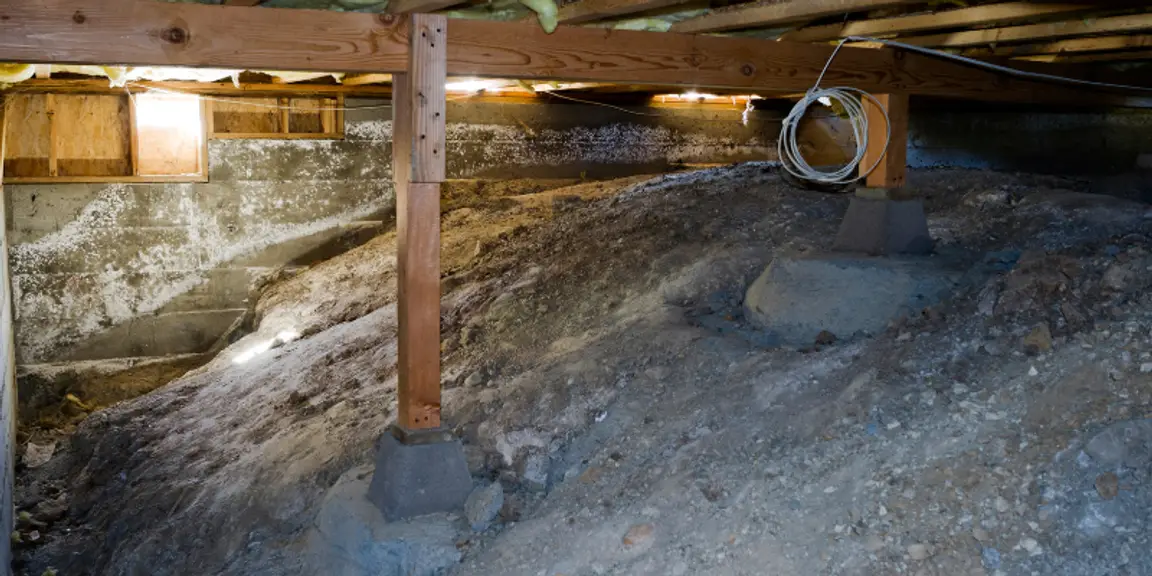

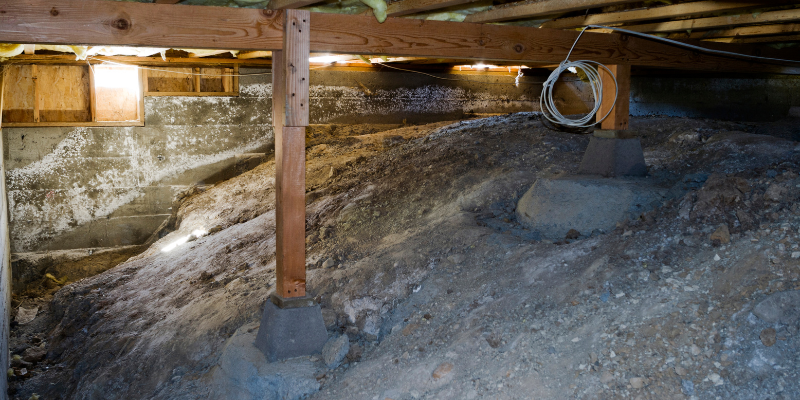
Standing water under a house doesn’t announce itself with a bill or a warning. It just sits there, quietly rotting floor joists, feeding mold colonies, and turning what should be a straightforward sale into something that keeps sellers awake at 2 a.m. If you’ve got water in your crawl space and you’re trying to sell in Washington, you have more options than you probably think.
Selling a House with Crawl Space Water Problems: What You’re Actually Facing
Many sellers in Washington enter the process believing a wet crawl space is a “disclose and move on” situation. List it, mention it in the disclosure paperwork, and let the market sort it out. That line sends buyers walking.
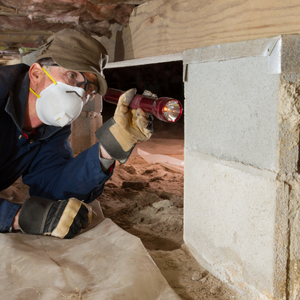
Home inspections are done by buyers here. Their inspectors go under the house. An inspector who finds pooled water, rusted support hardware, or wood joists showing signs of rot writes it all down in a report, and then buyers start asking for concessions, or they walk. I’ve seen sales collapse not because the water problem was catastrophic but because the seller had no plan for it, and the inspection report made it look like the house was falling apart, which is a very fixable perception problem if you get ahead of it.
The NWMLS recorded a median sales price of $650,000 across Washington in June 2026. Real money is sitting on the table. A wet crawl space, if handled wrong, can shave a noticeable chunk off that number or kill a sale entirely. Knowing your options before you list is the difference between a sale you’re satisfied with and one that drags on for months.
What Is a Crawl Space and What Is It Used For?
Why does water keep finding its way under your house? Most crawl spaces in Washington were built without waterproofing in mind. The glossy homebuyer guides don’t cover that part.
A crawl space is the shallow, unfinished cavity between the ground and your home’s first floor. In Washington, it’s an especially common foundation type because of the state’s varied soils, including clay-heavy ground in areas like Bellevue and Puyallup that drains poorly and holds moisture. Builders use crawl spaces to elevate the structure off the ground, run plumbing and electrical, and allow access to pipes and HVAC components without digging a full basement.
Accessibility is the whole point. An HVAC tech or plumber can access your home’s mechanicals without tearing up your floor. But that same open cavity is exposed to the ground, and Washington’s ground stays wet for a long time. Rain from October through April soaks into the soil, and if drainage paths around the foundation are inadequate, that water migrates inward.
Floor joists, support beams, and any wood near the ground are vulnerable to moisture. Once wood stays damp for any stretch of time, rot and mold follow. Pest problems come next: carpenter ants and subterranean termites are drawn to wet, softening wood. A crawl space that started as a functional design choice becomes a liability when nobody’s maintaining it, and I’ve watched that neglect erase equity faster than almost any other single issue in a house.
Vapor barriers are the most basic line of defense. A properly installed barrier separates the ground from the air inside your crawl space, slowing moisture migration. Most older homes in places like Lakewood, Auburn, or Olympia have barriers that are torn, incorrectly installed, or missing entire sections (sometimes large ones near the piers).
How to Spot Water Problems in Your Crawl Space
Sellers almost always underestimate how obvious these problems are to a trained inspector.
Here are some of the most common signs that moisture has become a problem in your crawl space:
- Standing or pooled water beneath the home
- A persistent musty odor inside the house
- Soft, sagging, or uneven floors
- Mold or mildew growing on floor joists
- Rust on metal supports, fasteners, or connectors
- White mineral deposits (efflorescence) on foundation walls
- Condensation on ductwork or plumbing pipes
- A damaged, torn, or missing vapor barrier
Even if you notice only one or two of these warning signs, it’s worth having your crawl space inspected before listing your home. Identifying problems early gives you more flexibility to decide whether to make repairs, adjust your asking price, or disclose the issue to buyers upfront.
Visible standing water is the clearest sign, but it’s rarely the only one. Rust stains on metal straps and connectors, dark staining or fuzzy growth on joists, a spongy or sagging floor from inside the house, and a persistent musty smell in the lower level of the home are all indicators that the crawl space has had water intrusion. Rusting hardware around support posts is one I keep seeing on older properties in Tacoma and Kent. Owners often attribute soft floors to “old house” character when what’s actually happening is structural wood damage from years of excess moisture.
How Water in the Crawl Space Affects Your Washington Home’s Value
A seller in Puyallup once had an offer fall through in the final week because a lender’s appraiser flagged standing water under the property. The sale price had already been agreed upon. The mortgage wouldn’t fund.
This is not a rare story. When financing through conventional loans, buyers often can’t close on a home with documented crawl space water problems until the issue is resolved or escrow funds are set aside to cover remediation. Cash home buyers in Washington have more flexibility, but they price the problem accordingly.
Homes with known water-damage issues, including crawl-space moisture, can sell for 10 to 25% less than comparable properties in clean condition, depending on the severity. In a home priced around $600,000 in a Snohomish or Pierce County neighborhood, that difference can range from $60,000 to $150,000.
Cities like Seattle, Tacoma, and Bellevue are particularly vulnerable to water-related issues because of Washington’s rainy climate and flood risk areas. Buyers in these markets know it, and many now ask their agents and home inspectors to identify any signs of current or previous moisture intrusion. Insurance companies may also hesitate to insure properties with active mold or standing water, which can further reduce the pool of qualified buyers.
The table below summarizes how different crawl space conditions can affect your home sale and buyer expectations.
| Crawl Space Condition | Potential Impact on Your Home Sale | Typical Buyer Response |
|---|---|---|
| Minor condensation | Little to no impact on value | Buyers typically request routine maintenance. |
| Standing water | Moderate reduction in value | Buyers often negotiate for repair credits or a lower purchase price. |
| Mold growth | Significant impact on marketability | Buyers may request professional remediation before closing. |
| Structural wood rot | Major reduction in value | Financing delays and inspection concerns become more likely. |
| Professionally repaired with documentation | Minimal impact | Buyers generally feel more confident moving forward with the purchase. |
Every property is different, but resolving moisture issues before listing or providing documentation of completed repairs can increase buyer confidence, reduce negotiations, and help your transaction move toward closing more smoothly.
What Are the Solutions for a Wet Crawl Space?
A full crawl space encapsulation in the Seattle metro area can run from $5,000 to $15,000 or more, depending on the size and extent of the moisture problem.

That range is wide because no two crawl spaces are identical. A smaller home in Bothell with mild condensation and a torn vapor barrier might be addressed for a few thousand dollars with a new barrier, improved drainage, and a dehumidifier. A 1970s rambler in Federal Way with pooled water, rotted joists, and a failed sump pump is a different problem (and calls for a different contractor conversation).
The layered approach most contractors use starts with identifying the water source: surface runoff, groundwater intrusion, plumbing leaks, or condensation. Fixing drainage paths first, by regrading soil away from the foundation and clearing gutters and downspouts, addresses the source. Installing or repairing a sump pump handles ongoing groundwater. A vapor barrier (the minimum standard in Washington is 6-mil polyethylene, though contractors typically recommend thicker) reduces ground evaporation. Encapsulation, which seals the entire crawl space, including walls, and installs a dehumidifier, is the most complete solution, and in my experience, it’s also the one that holds up through multiple wet winters without needing revisits.
Mold remediation, when required, averages around $1,100 to $3,400. Add that to encapsulation and joist repair, and a thorough crawl space rehabilitation can cost $20,000 or more on a larger property. Not every seller can absorb that cost before closing, which is why the as-is sale route exists and, in my experience, gets used more often than people expect.
How to Reduce Water Issues Before You List Your Home
Skipping this step costs sellers money in ways that don’t show up until a buyer’s inspector hands over a 40-page report.
Even if you can’t afford full remediation, doing the basics before listing changes the optics of your property. Extend your downspouts so water discharges at least four feet from the foundation. Clear debris from crawl space vents to allow air to circulate. Regrade soil if any part of your yard slopes toward the house. These are low-cost actions that reduce active moisture and help buyers feel they’re not walking into a neglected property.
Get a licensed home inspector to assess the crawl space before you list. This is called a pre-listing inspection, and I wish more sellers in Washington ordered one before listing. When you know what’s down there, you can price accordingly, disclose accurately, and avoid the late-sale surprises that kill otherwise solid contracts. A buyer who sees a clean disclosure with evidence you’ve already addressed drainage won’t react the same way as a buyer whose inspector uncovers a damp, unventilated crawl space with no previous acknowledgment in the seller’s disclosures.
If your budget allows for any repair, prioritize two things: eliminating standing water and replacing or repairing a compromised vapor barrier. Those two actions don’t resolve everything, but they remove the most alarming items from an inspector’s report and reduce the risk of a lender declining to fund.
What You Must Tell Buyers About Crawl Space Water Problems in Washington
Some sellers wonder if they really have to disclose something that “dried out” years ago. Washington’s answer is yes.
Washington’s seller disclosure law (RCW 64.06) requires sellers to disclose known material defects. Water intrusion in a crawl space, current or historical, qualifies. A mold problem that was remediated three years ago still needs to be disclosed. Failing to disclose known issues exposes sellers to liability after closing, and in a state where buyers are increasingly savvy and real estate attorneys are easy to find, that exposure is real and enforceable.
Disclosure doesn’t kill a sale. Surprise disclosure does. Buyers generally respond better to a seller who says, “We’ve had moisture in the crawl space; here’s what we know; here’s documentation of any remediation,” than to a buyer’s inspector who finds evidence of prior water damage that nobody mentioned. The former feels like transparency. The latter feels like concealment, giving buyers grounds to renegotiate or walk away.
Your real estate expert or a real estate attorney can help you complete the Washington State Seller Disclosure Statement accurately. If you’re selling without an agent, that document is available through the Washington State Department of Licensing. Fill it out honestly, and price your property to reflect the condition you’re disclosing (condition drives price more than anything).
Proven Ways to Sell a House with Crawl Space Water in Washington
Once disclosure is handled correctly, your specific situation determines the right path to the closing table.
Listing on the open market with a traditional real estate professional works if the crawl space issue is minor, disclosed clearly, and the home is priced to account for the condition. A good agent will run a comparative market analysis that shows what similar properties with disclosed issues have sold for in your area, so you’re not guessing. Online platforms can show you comparable sales, but a local agent with MLS access gives you a tighter picture of buyer behavior in your specific zip code.
Selling as-is to a cash buyer or investor is the faster, simpler path when the crawl space problem is severe or when the seller’s timeline or financial situation doesn’t allow for repairs. Cash buyers don’t need a lender’s appraisal, so moisture in the crawl space doesn’t trigger the same funding hurdles. The trade-off is price; cash offers on as-is properties typically come in below retail, and the seller accepts that gap in exchange for speed, certainty, and no repair obligations.
A third option sits between those two: repair the most critical issues (standing water, active mold), then list at or near market price with full disclosure of what was found and what was remediated. This middle path often recovers more than the cost of repairs in the final sale price, especially in higher-priced markets like Mercer Island or Redmond. Buyers and their lenders need documentation of the work done to feel confident, so keep every invoice and permit pulled during the process.
One approach that rarely works: listing a water-damaged property at full market price with minimal disclosure and hoping buyers don’t look too hard. In a market where active listings have grown 16.4% year over year across the NWMLS service area, buyers have more options and less urgency to overlook problems, which means a priced-to-perfection listing with hidden damage is one of the first to sit.
Sell Your Washington Home for More with a Local Expert
I used to think the best advice for a crawl space sale was always “fix it first, then list.” I’ve bought enough houses to know that’s not always true.
Sometimes the repair budget isn’t there. Sometimes the timeline is too short for a two-month remediation project. Sometimes the seller’s situation, a divorce, a job relocation to Spokane, or a probate sale in Bellingham just doesn’t allow for the luxury of waiting. In those cases, selling to the right buyer beats waiting for the perfect market moment.
Working with a local resource who understands Washington’s wet climate, its soil conditions across western and eastern parts of the state, and how buyers in King, Pierce, and Thurston counties respond to crawl space disclosures makes a real difference in what you net. An online platform runs your address through an algorithm. Someone who’s walked through houses in Sumner, Spanaway, and South Hill knows what buyers in those neighborhoods actually care about.
That’s where Sell My House earns its reputation. We work directly with Washington homeowners in exactly these situations: no repairs required and no listing delays. If your crawl space issue is making a traditional sale feel out of reach, it’s worth a conversation. Whether you want to sell your house fast in Tacoma or need cash home buyers in Puyallup, we can help.
Frequently Asked Questions
Can You Sell a House with Water in the Crawl Space?
Yes, you can. Sellers in Washington do it regularly, through traditional listings, as-is sales, or direct sales to cash buyers. Your options depend on how serious the problem is and how much time and money you have to address it before closing. Full disclosure is required regardless of which route you choose.
How Serious Is Water in a Crawl Space?
It ranges from minor, like condensation from temperature changes, to severe, where standing water has rotted structural wood and grown mold colonies that affect indoor air quality. The longer water sits, the more expensive the damage becomes. A home inspector or crawl space specialist can give you an honest assessment of where your property falls on that spectrum.
What Is the Building Code for Crawl Spaces in Washington?
Washington follows the International Residential Code (IRC) as adopted by the Washington Building Code Council. Crawl spaces are generally required to have a minimum height of 18 inches from grade to the bottom of the floor joists, ventilation openings sized to the floor area, and a ground vapor barrier. Some jurisdictions, like Seattle and Bellevue, have additional local amendments. If your crawl space doesn’t meet current code, that’s a disclosure item, and it’s worth knowing before a buyer’s inspector finds it.
What Devalues a House the Most?
Water damage and foundation problems consistently rank among the biggest factors that reduce a home’s value. A crawl space with active moisture, mold, or structural wood damage affects both. With Washington’s statewide median single-family home price remaining strong in 2026, even a modest drop in value due to a water-related issue can translate into a significant financial loss. Undisclosed problems that surface after closing can also expose sellers to costly legal disputes in addition to the reduction in sale price.
If you’re sitting on a property with a wet crawl space and you’re not sure what to do next, you don’t have to figure it out alone. Sell My House works with Washington homeowners in exactly this situation. Reach out to us whenever you’re ready. No pressure, no obligation, just a straight conversation about your options.
Helpful Washington Blog Articles
- Can I Sell My Parents’ House with Power of Attorney in Washington
- Selling an Estate Home in Washington
- How to Sell a House in Forbearance in Washington
- Can Sell a House As-Is Without Inspection
- Can I Short Sell My House to a Relative or Family Member?
- Can You Sell a House with a Mortgage in Washington
- Can You Sell a House With a Lien in Washington?
- How to Sell an Inherited Property in Washington
- How To Sell A Fire-Damaged House In Washington
- Selling A House with Foundation Problems in Washington
- How to Sell A House Without A Realtor in Washington
- How Long Does It Take to Sell A House in Washington
- Can My Spouse Sell Our House Without My Consent in Washington
- Selling A House With Water In The Crawl Space In Washington
- How To Sell Your House On Facebook Marketplace
- How Much Does Home Staging Cost In Washington State
- Washington Earnest Money Rules