![Can You Sell a Home With Asbestos In [market_city]](https://image-cdn.carrot.com/eyJidWNrZXQiOiJwcm9kdWN0aW9uLmNhcnJvdC11cGxvYWRzLm9uY2Fycm90LmNvbSIsImtleSI6InVwbG9hZHMvc2l0ZXMvMjUyMzEvMjAyNi8wOS9DYW4tWW91LVNlbGwtYS1Ib3VzZS1XaXRoLUFzYmVzdG9zLnBuZyIsImVkaXRzIjp7InJlc2l6ZSI6eyJ3aWR0aCI6MTE1Mn0sInRvRm9ybWF0Ijoid2VicCJ9fQ==)

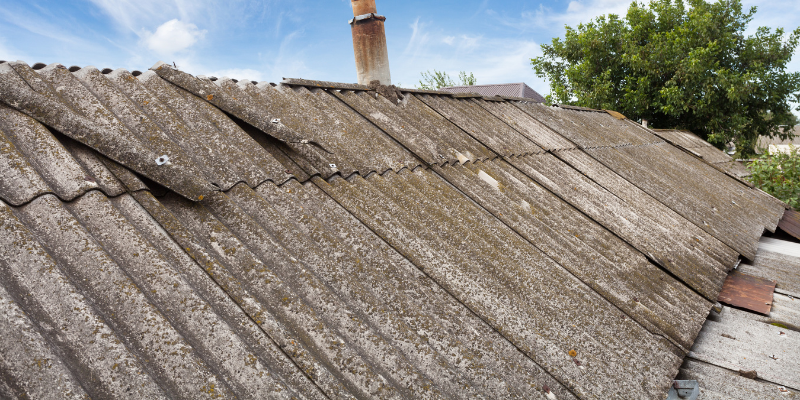
Asbestos still isn’t banned in this country. Washington’s Department of Ecology says so plainly on its own guidance page and adds that materials made and used today may still contain it. So here’s the short version: your house isn’t unsellable. Homes across this state change hands every week with asbestos siding, duct wrap, popcorn ceilings, and floor tiles still in place. What shifts is the buyer pool, the price, and what you put in writing before anyone signs.
Selling a Washington House with Asbestos: the Short Answer
A seller in Burien watched two buyers walk after inspection. Both pointed at the white-wrapped pipes in the basement. Six weeks later, the same house closed, pipes untouched, to a buyer who built the cost into his offer.
Nothing in Washington law bars you from selling a property that contains asbestos. No state-mandated abatement before closing. No certificate you have to produce at escrow, no inspection you’re forced to order. You do have to tell the truth about what you know.
Last year I bought a mid-century place in Kent from three siblings who’d inherited it after their mother passed. Thirty years of belongings filled every room, and the garage had a workbench buried under paint cans and a chest freezer that hadn’t run since the Bush administration. All three wanted out clean, no cleanout, no abatement, no contractor bids, and the asbestos in the furnace room was honestly the smallest problem on the list.
That pattern repeats. Sellers treat asbestos as the thing that kills a sale. Then they find out the roof, the wiring, and the kitchen matter far more to a retail buyer’s lender than one sheet of old vinyl flooring in the utility room.
If you’d rather sell the house as-is, contact us for a cash offer. We’ll look at the property, including the asbestos, give you a straightforward number, and let you decide without making you handle the cleanup first.
Why Asbestos Scares Buyers More Than It Should
Real risk rarely matches that fear. Most asbestos in Washington houses is safer left alone than ripped out by someone in a dust mask on a Saturday.
I’m not being casual about health here. Mineral fibers only turn hazardous once they’re airborne, and intact, sealed, undisturbed material releases very little. Friable asbestos, the crumbly kind you can crush with hand pressure, is the real concern. Flaking pipe insulation, crumbling boiler wrap, popcorn ceiling under a scraper: that’s where exposure comes from, and it leads to asbestosis, mesothelioma, and lung cancer decades later.
Non-friable material behaves differently. Cement siding, resilient floor tiles, roofing felt, and exterior transite panels lock the fibers into a hard matrix. Painted or covered and left alone, they sit there doing nothing. Buyers rarely know that difference. Their agent says the word, their brain fills in a hazmat tent, and the offer drops by a number nobody calculated.
Have you had the material tested, or are you guessing from the age of the house? That one difference changes every talk after it. A lab result is evidence. A guess is anxiety with a price tag attached.
I won’t soften the health side. The fibers scar lung tissue, cut lung function, and cause cancer years after exposure. Still, a house with stable, documented asbestos isn’t the emergency most sellers think they’re sitting on.
If asbestos is making it harder to sell, Sell My House can make you a cash offer based on the house as-is. No abatement required, no repairs to make first, and no pressure to accept.
Does Washington Law Require Asbestos Disclosure When Selling a Home?
Washington sellers have no legal duty to inspect their own property before filling out the disclosure form. You report what you actually know, not what a lab might find. That surprises people, and it cuts both ways. Form 17, the Real Property Transfer Disclosure Statement required under RCW 64.06, names asbestos outright in its environmental section, alongside formaldehyde, radon gas, lead-based paint, and fuel or chemical storage tanks. Answering “I don’t know” is fine when you truly don’t. Answering “no” with an abatement bid sitting in a drawer is something else.
Timing is written into the statute. Under RCW 64.06.030, you deliver the completed disclosure statement no later than five business days after mutual acceptance, unless both sides agree otherwise in writing. Your buyer then has three business days from delivery to approve it or rescind, in writing, at their sole discretion.
Learning something new afterward doesn’t let you off the hook. RCW 64.06.040 tells you to amend, and delivering an amended statement hands the buyer another three business days to walk. So if a contractor mentions the popcorn ceiling mid-repair, or an old invoice turns up in a file box, that goes to the buyer in writing rather than staying in your head.
A few property transfers are exempt, including foreclosures and certain transfers by estate representatives, though the list is narrow. One detail catches people. A buyer can waive receipt of the form, but the environmental section can’t be waived. Ask a real estate attorney instead of deciding on your own that you fit. My advice here runs against the grain: disclose more than the minimum. Buyers who hear about asbestos from you negotiate. Buyers who find it through their own inspector reopen everything. Mold sits in that same environmental section and works the same way, so if you’re dealing with both, our tips for selling a house with mold in Washington cover that side of it.
Should You Remove Asbestos Before Selling Your Washington Home?
Scrape that popcorn ceiling yourself the weekend before photos, and you can turn a stable, disclosable condition into a contaminated house with airborne fibers in every room.
Live in the house you own, and your regional agency may let you handle it. Puget Sound Clean Air Agency puts friable asbestos in the hands of a certified abatement contractor, with one carve-out: a single-family residence you both own and live in. Every other requirement still lands on you. That work takes a Single-Family Residence Notification and a $30 filing fee first, and you have 10 days after the job to get the debris to an authorized disposal site. Small jobs skip the notice, meaning under 10 linear feet of pipe or 48 square feet of friable material a year, or any nonfriable material like asbestos tile and roofing.
Rental property, condos, apartments, and demolition work get no carve-out at all. Those need people certified through the Department of Labor & Industries, which licenses asbestos workers, supervisors, and contractors separately. Hiring one costs more than handling it yourself. It’s also the only legal route when you aren’t the person living there.
Rules move, too. Southwest Clean Air Agency’s amended asbestos rules took effect March 22, 2026, so call the agency covering your county rather than trusting a blog from three years ago. Washington splits into several regional clean air agencies, and the one covering Vancouver isn’t the one covering Seattle.
Cost drives most of these decisions. Angi’s Seattle data, last updated in October 2025, put average asbestos removal at $2,798, with most homeowners landing between $1,621 and $3,975. Encapsulation, sealing the material in place instead of tearing it out, runs cheaper and satisfies plenty of situations. Ask any contractor to price both approaches, because one who only prices removal isn’t showing you every option.
Would I abate before selling? Only when the material is friable, and the rest of the house is retail-ready. Otherwise, you’re paying for somebody else’s remodel. A buyer planning to gut the kitchen anyway won’t pay you back for work they were going to undo. If you’re considering another route, a company that buys houses in Bellevue and other Washington cities may be able to make a cash offer based on the home’s condition as-is.
How Does Asbestos Affect Your Home’s Value and Pricing Strategy?
For years I treated asbestos as a flat deduction, the same haircut on every house. That was lazy math, and it cost sellers money.
Three things size up the real impact: whether the material is friable, how reachable it is, and whether it sits where a future remodel will disturb it. Intact tile under a kitchen someone plans to gut is a genuine cost. That same tile in a basement laundry room nobody touches for twenty years is close to nothing.
Market conditions matter as much as the material. Northwest MLS reported a median sale price of $635,000 across its service area in August 2026, down 2.3% from a year earlier. The county spread is enormous. King County came in at $845,000 that month while Ferry County posted $202,500. A $6,000 abatement estimate means something very different in those two places. Prices on the Eastside sit near the top of that range, so owners looking to sell a house fast in Redmond often weigh the abatement bid against a cash offer.
Then there’s the old advice about listing high to leave negotiating room, or pricing low to start a bidding war. Neither survives contact with a disclosed hazard. Priced too high, a house with known asbestos gets zero showings, and I’ve watched that turn into a long string of reductions. Redfin put 21.5% of Washington homes sold with a price cut in August 2026, up from 20.0% a year before.
Price it right the first week, disclose upfront, and let buyers self-select. Fewer showings, yes. The people who do show up have already made peace with the asbestos, and those are the offers that close.
How Do You Sell a Home with Asbestos in Washington?
Budget a few hundred dollars for testing and lab work. Angi’s July 2026 figures put asbestos testing between $231 and $776, averaging $483. That one expense reshapes the whole talk.
Start there. A written lab report tells you whether you’ve got 3% chrysotile in floor tile or heavy friable insulation, and it turns your Form 17 answer from a shrug into a paper record. Buyers argue with uncertainty. They rarely argue with a lab.
From there, the path splits by buyer type. Retail buyers using a regular loan want a credit or finished work. Investors and cash buyers absorb it. Washington homes took a median of 32 days on the market in August 2026, according to Redfin, though in my experience the ones flagged for asbestos sit longer than that on the open market. Some sellers skip that round entirely, and we’ve written on whether you can sell a house as-is without inspection so you know what you’re giving up.
How you market it matters more than sellers expect. A listing that reads “asbestos siding, tested, intact, report available” sounds like competence. One that stays quiet until inspection sounds like something hidden, and buyers answer that with lowball offers. Put the test date in the description too, so nobody wonders whether the report is five years stale.
Direct sale is the shortest path to sell your house for cash in Washington when time is the real constraint. Working with a local buyer like Sell My House means one walkthrough, an as-is offer, and a closing date you pick, with no lender deciding whether the crawlspace insulation passes muster. No repair addendum, no second round of contractor bids, no appraisal to renegotiate around.
Keep every document. Lab results, contractor bids, notification receipts, clearance letters: hand copies to the buyer and keep your own set after closing. If someone questions the work years later, you’ll have the paper trail instead of a memory of it.
Your Real Options as a Washington Seller

Let me lay the three doors out the way I would across your kitchen table. Sellers get talked out of two of them before they ever hear the numbers.
Door one: list on the open market, disclose what you know, and let buyers price the risk themselves. This works well for non-friable material in a house that’s otherwise solid. Expect negotiation after inspection. Your buyer pool shrinks, though, because financed buyers often walk once an inspection report says the word asbestos.
Behind door two: hire a certified abatement contractor, get the work done, hand the clearance paperwork to your listing agent, and sell a clean property. That makes sense when the asbestos is friable, reachable, and limited to one area. Plan on a few weeks between the first bid and the clearance letter, and keep every invoice and air test result.
Door three: sell as-is to a buyer who handles the cleanup after closing. A direct buyer takes the material on, prices it into the offer, and closes without a lender ordering a repair addendum. You skip the contractor bids, the notifications, and the disposal paperwork. You’re trading some of the sale price for certainty, since the buyer carries both the cost and the risk.
None of these is the smart choice in the abstract. A Bellingham craftsman with $9,000 of siding work and a solid interior points one direction. An inherited Spokane rental with a failing roof and wrapped ductwork points another. Your cash, your timeline, and how much project management you want in your life decide it.
If you’d like a second opinion on which door fits your house, we’re glad to walk it with you and talk through the numbers. No pressure either way. If you’re considering a direct sale, we’re a cash home buyer in Spokane and the surrounding Washington cities and can give you an as-is option.
Frequently Asked Questions
What happens if I don’t know whether my house has asbestos?
Answer “don’t know” on the disclosure form. That’s a fine answer. Washington’s statute asks you to report what you know, not to go digging. Guessing “no” on a 1968 house with original ductwork is where sellers create problems for themselves.
Will a buyer’s inspection find asbestos?
A standard home inspection doesn’t test for it. Inspectors flag suspect materials by eye and tell you to test, so a buyer may come back mid-contract asking for a survey or a credit. Sellers who disclose up front control that conversation instead of reacting to it.
Can I remove asbestos myself in Washington?
A homeowner may do limited work in a single-family residence they own and live in, and Puget Sound Clean Air Agency draws that line tightly. The carve-out doesn’t reach rental property, condos, or demolition work. L&I and your regional clean air agency both have rules here. Undocumented DIY removal also scares buyers more than the original material ever did.
If you’ve got a Washington property with asbestos somewhere in it and you’re trying to figure out what it’s actually worth as-is, ask. Sell My House will give you a number, explain how we got there, and tell you plainly if listing would serve you better. Call us at (253) 289-3773 and we’ll take a look. Then you decide, on your schedule, with no one calling you twice a week about it.
Helpful Washington Blog Articles