

Considering the high property taxes already in place that will impact new homebuyers in Seattle, Washington, and the additional property tax brackets that will take effect in 2025, there is ample cause for concern. It will take thorough financial and investment strategies to deal with such changes. We will analyze how property taxes and potential housing-market revenue affect the Seattle housing market, and how property tax brackets will impact it. For Seattle property investors, our analysis will be useful to real estate owners assessing potential obligations and risks, as well as to 1st-time investors assessing prices and determining property value.
Key Highlights
- Seattle’s 2025 property tax changes focus on adjustments to the levy rate that affect homeowners’ obligations.
- Property tax revenue boosts community projects, enhancing schools and public amenities.
- King County’s dynamic tax approach supports public services, offering sophisticated tax management tools.
- Strategies for cash buyers include reassessment appeals and leveraging tax exemptions for savings.
Understanding Seattle’s Property Tax System
The health of Seattle’s economy, the city’s ability to provide services to residents, and the investment of Seattle’s time and money into the city’s infrastructure are all directly related to the functions performed by Seattle’s property tax system. On the threshold of 2025 and beyond, Seattle residents must navigate municipal-level changes to property tax law. With state-implemented adjustments to property value assessments, as well as changes to the tax law at the state level, voted on assessments, and adjustments to the city’s budget, the property tax law will, amongst other things, impact the amount citizens will have to pay and how that money is split for programs related to schooling, transportation, public safety, and housing.’
Investors, prospective buyers, and homeowners need to not only be aware of the changes in 2025 but also incorporate them into their budgets and financial plans. Legislative changes apply directly to property taxes, which, in turn, will impact the cost of housing, the value of a housing investment, and the cost of ownership in the future; therefore, a change of plan will be required at all levels of real estate. Understanding the regulatory environment and its possible future changes will enable citizens to forecast costs more accurately and understand the value of their taxes in relation to the city’s development and sustainability.
Sell My House helps Seattle homeowners, buyers, and investors navigate the 2025 property tax updates, providing guidance to make smarter real estate decisions and plan for long-term costs.
Key Changes to Seattle Property Taxes in 2025
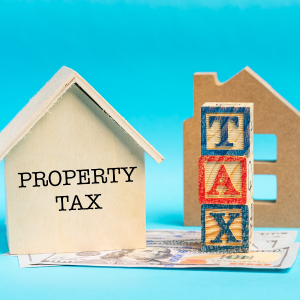
Homeowners in Seattle will encounter significant changes in the next two years regarding property tax rates and applications. To begin with, they will experience changes in the city’s levy rate, which determines how much tax the city collects based on a property’s assessed value. Seattle homeowners’ tax obligations will continue to rise as they experience the effects of the voter-approved levies. The ignorance of these adjustments will leave homeowners taken by surprise when they receive their annual tax bill, potentially leading to significant changes in the cost of ownership.
Also, changes in the distribution of property tax revenues will take effect in Seattle in 2025. More of the property tax revenue will be used for the Community Development and Major Public Works Projects and Public School Support in Seattle. Although these improvements are bound to yield valuable upgrades to services and public amenities, they will increase property owners’ tax liabilities in Seattle.
Changes in state-level policies affect Seattle’s property tax system. Washington’s new statewide tax policies seek to balance transparency, efficiency, and taxpayer understanding. Improving taxpayer understanding, in this case, may, however, tax aggravate and modulate mortgage payments. Seattle’s tax system changes will require owners to actively manage their taxes and finances by analyzing property valuations and tax statements more frequently. Owners will have to adapt to Seattle’s new tax system.
How To Pay Your Property Taxes
Seattle has made it easy for homeowners to pay their property taxes. You can pay them online using the King County Property Tax Portal. You can use the portal to pay taxes, look at tax statements, and set up reminders for future tax payments. King County’s customer service is available to help if you have questions.
Several options exist for people who like to do things in the traditional way. To ensure payments are received, you may mail checks or money orders to the King County Treasury. Or, for direct assistance and receipt issuance, payments may also be made in person at the Treasury Operations office. These options help people pay their property taxes in the way that best suits them.
Being a property taxpayer is made easier for some people with mortgages. It is that, in some mortgage plans, the taxes owed are added to the monthly mortgage payment, and the lender remits the tax portion to King County Treasury on the borrower’s behalf. That way, there’s less risk of missing payments. As an additional precaution, some people like to check with their mortgage company to ensure property taxes are being paid, to avoid late fees or penalties.
How Are Property Taxes in Seattle Calculated?
The average property tax rate in Seattle is about 1.04% of a property’s assessed value. However, the rate can vary from district to district. The constituents of each district can vote to impose different property tax levies, which will fund King County, the City of Seattle, local school districts, and additional local government services such as parks, libraries, and public safety. Even though the tax rate is consistent from year to year, property tax assessments and local tax levies may alter the amount a homeowner must pay.
To calculate the property tax you owe, use this formula:
Assessed Value × 1.04% = Tax Owed
The King County Department of Assessments assigns the value to your property. Assessments can differ from what your home was worth at the time of purchase. Some exemptions, for example, the Senior Citizen/Disabled Person Exemption or the Homeowner Exemption, can lower your property tax bill by reducing the taxable amount. Every year, the Department of Assessments sends you a notice regarding the assessed value of your property, the exemptions that have been applied, and the estimated taxes that you owe. Before your payment is due, you’ll have a breakdown of these details.
Why Do We Pay Property Tax?

There are multiple factors to consider when buying and owning a house in Seattle, including the down payment, mortgage payments, utilities, and taxes. A major factor that is almost required to consider is the instant tax payments due to the county and city. Although the taxes may not be the juiciest part of the process, they are one of the biggest factors in keeping services and livability in the Seattle area, a reason why many people move there in the first place.
In Seattle, King County collects taxes that fund the community’s various services. These services include road maintenance and improvement, park maintenance, park creation, and fire and emergency services. In addition to these services, a portion of the taxes goes toward providing materials and services to libraries and public education in the Seattle area, including the Seattle public schools.
In Seattle, the public services that most influence people’s daily lives, including the roads, safety, public buildings, and other infrastructure that provide daily services, rely on the funding generated by the municipal property tax. Public services that safeguard and improve the quality of the area, dynamic and balanced services, that make Seattle a costly but a community that the people can take pride in.
How Property Tax Revenue Funds Community Projects
Taxes in Seattle are one of many building blocks the city has in place. Taxes ensure the city has a steady stream of income to budget for services needed over more than one year. One of the services funded by taxes is education. School improvements, such as the addition of new, innovative, and tech-infused learning aids, are a focus and could support learning across multiple areas of the city.
Improving and expanding Seattle’s infrastructure is funded equally by property taxes. As the cost of living in Seattle continues to rise, affordable housing is becoming increasingly important. The property tax designed to fund housing is targeted to poorly designed infrastructure improvements that offer adequate planning solutions to address the needs of the continuum of working families and seniors. Most of these housing developments are constructed as a result of a public vote. This ensures that developments align with public desires.
Apart from education and housing, property taxes help fund essential community services. Tax revenue goes to street and road repairs and improvements, public transportation, park maintenance, and community center construction, all of which support connected neighborhoods. This extends Seattle’s and residents’, businesses’, and investors’ property economic growth and improves the standard of living. Tax revenue stewardship, accountability, and community engagement related to the spending location of the taxes help support building a resilient, sustainable, and livable city for the future.
Assessing King County’s Unique Property Tax Features
What makes King County unique in Washington State is its well-defined revenue strategies for managing property taxes in urban/rural areas. One of its hallmark strategies is the managed levy rate, which changes frequently to reflect changes in the County’s needs and the best way to manage/allocate the County’s extensive general fund budget. This means the budget is being managed and allocated to the most important public services and infrastructure. This all highlights the direct impact on County residents’ quality of life and why it is important for King County homeowners to master such tax systems for their financial planning.
King County pays revenue managers to create tool guides, financial planning guides, and tax estimation calculators like those available on SmartAsset. Property tax calculators estimate property tax obligations based on a home’s assessed value and the prevailing levy rate. This enables forecasting and proactive planning for the financial impact of owning property by managing changes to mortgage payments and additional future expenses that accompany property ownership.
Educators, public safety, and core city services are dependable in the King County community, providing long-term stability and support for construction and safety. Residents are encouraged to be active and informed, attend budget meetings, and construct accountability and transparency in the community. County King is inclusive and community-centered, with taxes and active public services, property taxes, community growth, and public engagement.
Comparison with Other Counties in Washington State

Noteworthy differences emerge when analyzing King County’s tax framework against other counties in Washington State. While King County applies a calculated levy rate to fund services, infrastructure, and municipal improvements, this results in higher property taxes than in other counties with simpler levies. That takes into account the county’s extensive community investment in the transportation and urban systems planning, maintaining property, and enhancing the quality of life.
Lower levy rates in smaller counties position them to please homeowners; however, the compromise is often limited, resulting in considerably slower growth in community and structural services. Residents pay less, and often do not see the investment in community school infrastructure and emergency services. In King County, higher taxes are often offset by investments in community amenities and services.
Tax-planning tools and revenue allocation also differ. King County offers advanced online calculators, while smaller counties often rely on external advisors. Revenue in King County is spread across education, transportation, public safety, and urban development, whereas less-resourced counties focus mainly on essential services. These differences help homeowners weigh potential tax savings against public service levels when making property decisions.
Seattle, WA Property Tax Exemptions and Relief
For any homeowner in Seattle, property taxes can pile up quickly. A home assessed at approximately $650,000, for example, translates to almost $8,000 in property tax every year, not factoring in the exemptions or relief programs. This is a lot of money, especially for a household budget to absorb, and especially for a homeowner in Seattle, where the cost of living is very high.
The upside is that King County and Seattle offer a variety of programs to help reduce property taxes. Based on your situation, property taxes could be lowered significantly. Whether you are a senior, long-time resident, first-time homeowner, or have low income, there is a program.
1. Senior Citizen and Disabled Persons Property Tax Exemption
Seattle offers an exemption for senior citizens (age 61 and older) and disabled residents. This program can exempt a portion of your home’s assessed value from taxation, which reduces your property tax bill.
Key Points:
- Home must be your primary residence.
- The exemption can cover up to 50% of your home’s assessed value, depending on income and eligibility.
- An annual application is required, and proof of age, disability, or income may be requested.
This program is especially helpful for seniors on fixed incomes, making it easier to remain in your home despite rising property values and tax rates.
2. Regular Property Tax Exemption (Senior, Disabled, or Low-Income)
In addition to the standard senior/disabled exemption, King County provides an income-based property tax relief program for homeowners who meet certain financial thresholds.
Eligibility Requirements:
- Home must be your primary residence.
- Annual household income must meet the current county income limits.
- You must provide documentation of income and residency each year.
Depending on your income and household size, this exemption can significantly reduce your taxable assessed value and your annual property tax bill.
3. Homeowner’s Exemption (Washington State)
Washington State offers a basic homeowner’s exemption that is automatically applied to most primary residences, helping reduce the assessed value used for calculating property taxes.
Key Facts:
- Reduces assessed value by $200,000 for most homeowners (as of 2025).
- Must own and occupy the property as your primary residence.
- Applied automatically if your property meets the eligibility criteria; homeowners should ensure their status is up to date with the county assessor.
This exemption is one of the simplest ways to reduce taxes, as it applies directly to your home’s assessed value.
4. Property Tax Deferral Program
Seattle and King County also provide a Property Tax Deferral Program for eligible seniors and disabled residents. This program allows you to defer payment of part or all of your property taxes, helping homeowners manage cash flow without losing their home.
Eligibility Requirements:
- Home must be your primary residence.
- You must be age 60 or older or meet disability criteria.
- Household income must not exceed the county’s maximum threshold.
Deferred taxes accrue as a lien on the property and are repaid when the home is sold, transferred, or upon the owner’s death. This program can provide immediate financial relief for homeowners who may otherwise struggle to pay their annual tax bill.
5. New Construction and Improvement Exemptions
Seattle also encourages new construction and major home improvements through temporary property tax exemptions.
Key Points:
- Applies to newly constructed or significantly improved properties.
- The exemption can reduce property taxes for a limited time, often up to three years, depending on the type of improvement and local regulations.
- Homeowners must apply within a certain timeframe after construction or improvement completion.
This program helps offset the additional taxes that can result from rising home values after major renovations or the construction of a new home.
Seattle homeowners have multiple avenues to reduce or manage property taxes, from state-level exemptions to county-specific relief programs. Whether you’re a senior, a low-income resident, or simply want to lower your tax burden, understanding and applying for these programs can save thousands of dollars over time.
Tips for Cash Home Buyers: Navigating Property Taxes
Since Seattle cash home buyers need to understand how the property tax system works to make educated financial choices, this is particularly important to them. Different property taxes concern home buyers. Certain assessed variances, local levies, tax policies, and how often these policies change can directly affect homeownership costs. Knowing the answers to “How often and when do property assessments happen?” will help buyers manage property tax costs. Tax planning isn’t just for annual payments — it also impacts selling decisions. Our Seattle, WA Capital Gains Tax Calculator helps to estimate your tax liability before you sell.
By learning strategies to reduce potential tax liabilities—such as reviewing assessments for accuracy, understanding exemption programs, and strategically planning purchases—cash home buyers in Tacoma, Seattle, and surrounding cities can better protect their investment. Leveraging trusted resources, including county assessor information and professional tax guidance, also empowers homeowners to stay informed and compliant while maximizing long-term financial efficiency.
Strategies to Minimize Your Property Tax Liability
Home buyers in Seattle who pay cash have to pay close attention to how the city’s tax system works. A good first step toward reducing your tax liability is to review your home’s value. Since the value of your home is how the city assesses how much tax you owe, it is in your best interest to make sure the value that the city has is accurate. Since home assessments can sometimes be outdated, you may have a value that is too high. This could cause you to pay more taxes than you are legally obligated to. By requesting a city reassessment of your home or by formally appealing an inflated value, you could qualify for lower taxes. Working with local consultants could help improve the efficiency of your tax appeals.
Another relevant strategy is leveraging available tax exemptions. In Seattle, Washington State, and even the city itself, there are tax exemptions for some homeowners, including primary-resident-occupants and qualifying seniors, veterans, and disabled persons. These exemptions are frequently overlooked because homeowners don’t even know they exist. These exemptions lower the taxable value. Applying for exemptions within the eligibility guidelines and time frame opens the door to long-term savings. A property tax calculator can help estimate the exemptions and lower the annual cost.
Appraising levy rates and incentive programs provides another layer of support for tax planning. Property tax assignments for each jurisdiction can change annually due to voter-approved measures and budgetary allocative decisions. Homeowners can keep an eye on city news and community updates to remain prepared for such changes. Furthermore, tax credits for renewable energy strengthen the case for certain cost-effective upgrades; for Seattle, environmentally responsible homeownership meets tax liability and property value depreciation goals, while reducing tax liability.
Understanding Seattle’s property tax landscape in 2025 is crucial for homeowners aiming to make informed financial decisions. With these insights, property owners can better anticipate tax obligations and strategically plan their budgets. Exploring potential tax relief options and staying up to date on local regulations will also enhance financial stewardship. Leverage available resources and professional advice to navigate the complexities of property taxes effectively. Preparedness and informed decisions empower you to protect your investment while capitalizing on the vibrant Seattle market. Endeavor to turn these insights into actionable steps to ensure a prosperous financial future.
FAQs:
What are the changes in Seattle’s 2025 property tax rates?
The 2025 updates focus on levy rate adjustments, which impact how much property tax is collected based on a home’s assessed value. These adjustments affect the annual property tax rate and homeowners’ financial planning.
How does property tax revenue benefit Seattle communities?
Property tax revenue boosts community projects, enhancing schools and public amenities, and supporting infrastructure development. This revenue allocation supports improvements in quality of life and long-term economic growth in Seattle.
What strategies can Seattle cash home buyers use to reduce property tax liability?
Cash home buyers can explore reassessment appeals and take advantage of applicable tax exemptions. Regularly reviewing assessed home values and using tax calculators can also help manage tax obligations effectively.
How does King County’s property tax system differ from other counties in Washington State?
King County employs a dynamic tax approach, reflected in periodic adjustments to levy rates to meet growing needs. It directs substantial resources into public services and infrastructure projects, ensuring a higher quality of life for residents compared to some other counties.
At Sell My House, we help you sell your home for cash in Seattle fast, simple, and stress-free process. Whether your home needs major repairs, minor updates, or is already move-in ready, we buy all types of properties in any condition—and we can close in as little as 7 days. Our Seattle clients appreciate that they don’t have to lift a finger. There’s no cleaning, no repairs, and no hidden fees. We take care of everything from start to finish, so all you have to do is sign the paperwork and receive your cash payment. Request your no-obligation, fair, and competitive cash offer today. Contact us at (253) 289-3773 or fill out the short form below to get started!
Helpful Seattle Blog Articles
- Homeowners Insurance When Selling Your Seattle, WA, Home
- Selling A House After 3 Years In Seattle, WA
- How To Sell An Apartment in Seattle, WA
- Selling A House With A Child Support Lien in Seattle, WA
- Seattle, Washington Cost of Living
- Seattle, WA, Property Tax Rate
- Seattle, WA Property Managers
- Fun Facts About Seattle, WA
- Best Things to Do in Seattle, WA, with Kids
- Seattle, WA, Neighborhood Map