![Tips for Selling an Apartment in [market_city]](https://image-cdn.carrot.com/eyJidWNrZXQiOiJwcm9kdWN0aW9uLmNhcnJvdC11cGxvYWRzLm9uY2Fycm90LmNvbSIsImtleSI6InVwbG9hZHMvc2l0ZXMvMjUyMzEvMjAyNS8xMi9UaXBzLWZvci1TZWxsaW5nLWFuLUFwYXJ0bWVudC5wbmciLCJlZGl0cyI6eyJyZXNpemUiOnsid2lkdGgiOjExNTJ9LCJ0b0Zvcm1hdCI6IndlYnAiLCJ3ZWJwIjp7InF1YWxpdHkiOjcwfX19)

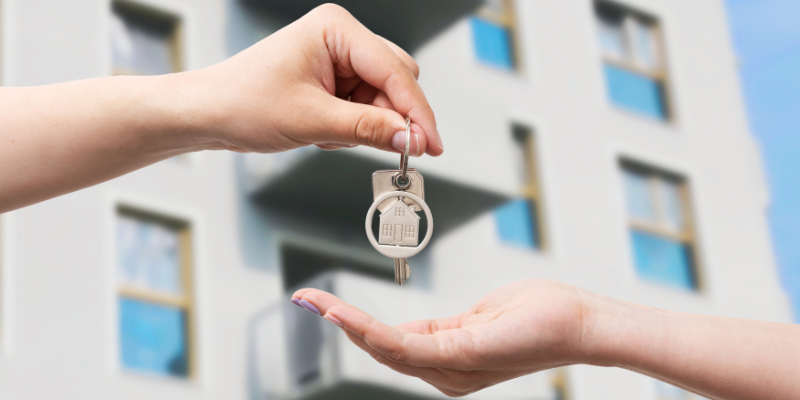
How To Sell An Apartment in Seattle, WA
Apartments are a popular choice with first-time buyers, single professionals, and people who don’t want to look after a large property that often has more space than you really need. But when it’s time to move on, there are some unique considerations when selling an apartment as opposed to selling a home.
Selling your apartment is a challenge in itself, whether you are upgrading, downsizing, or moving in Seattle. Knowing what to expect from understanding the local market to preparing your unit for sale and pricing it correctly can make the process go smoother and help you get the best possible return.
Is Selling An Apartment or A Condo Different From Selling A House?
There are many similarities between selling an apartment or condo and selling a house. Both cover getting your home ready, pricing it, listing it, staging and showing it, negotiating offers, and closing the sale.
When selling an apartment, you need to prepare not only the apartment itself, but the whole process. Buyers are also looking for common spaces and amenities, such as hallways, lobbies, elevators, parking areas, and common facilities. These areas shall be clean, well-maintained, and in an overall condition of the building.
Apartment buyers are different from single-family home buyers as well. Many are first-time home buyers, young professionals, investors, or downsizers. Things like location, commute time, building security, HOA fees, building rules, etc., matter more in the decision process. HOA rules can be a big issue, especially with things like pet rules, rental restrictions, and monthly fees. This can be a deal breaker for a lot of buyers.
Another big difference between selling a normal house and a condo is paperwork. Usually, selling a condo involves more paperwork, like Homeowners Association disclosures and a resale certificate. These documents give potential buyers an idea of the building’s finances, rules, and management, and are often required before a sale can go through.
When selling a condo in Seattle, there are some things to keep in mind, although the process can seem similar to selling a house. To help you navigate these differences, the next sections walk you through each step of how to sell an apartment in Seattle, from preparation to closing.
1. Sell at the Right Time: When is the Best Time to Sell in Seattle?
Seattle and the rest of Washington state usually follow the traditional real estate timeline, with spring through early summer being the best time to sell, and the months of March through July are often considered ideal. During these months, the better weather helps showcase your apartment, especially those with large windows and plenty of natural light. This season also pulls in a larger variety of buyers, including families with children and young professionals actively looking to move into new homes.
And while the Seattle real estate market is active year-round with sales happening in every season, it is still usually best to avoid listing from September through the winter months if possible. During this time, buyer activity slows, and properties can sit on the market longer than expected.
Selling at the right time can shape the overall outcome of your sale and help you prepare well before your home even hits the market. The month you choose to sell should guide your strategy. For example, if you are selling in the summer, keeping the AC on high during open houses can make the space more comfortable and inviting. On the other hand, if you need to sell during the winter, small touches like warm lighting or even fresh-baked cookies can help create a cozy atmosphere and make potential buyers feel right at home.
If you are looking to sell your apartment for cash in Seattle and nearby cities, we offer a fast, reliable transaction with no financing contingencies and a smooth closing process.
2. Sell With A Real Estate Professional, FSBO, or Cash Buying Companies?
There’s more than one way to sell an apartment, and not all properties are sold with a real estate professional, which is good to know when you are selling. Depending on your goals and your timeline, you can sell yourself or sell directly to a cash buying company or a real estate investor.
If you want to get top dollar and have someone else do the work from pricing to closing, selling with an expert is usually your best option. That typically involves fixing up the place, staging it, paying the 5-6% in expertise fees, and then waiting two weeks to several months for a sale in Seattle.
Selling FSBO (For Sale By Owner) means you get to skip the aggregate fees and keep more of the profit. You get to call all the shots, but that also means you’re responsible for showings and paperwork. This is a good option if you are an experienced seller or if you are willing to learn and handle the entire sale process yourself.
Selling to a Seattle cash buying company is the best, fastest, and easiest way to sell. These companies buy apartments or condos “as is,” with no repairs, staging, or marketing. The closing can be as fast as one week, but the offers are usually below market value in exchange for speed and convenience.
The right choice depends on how quickly you need to sell, how much work you want to do, and how much getting top dollar means to you.
3. Set The Right Price For Your Apartment
A big factor in how much interest your apartment gets is the price you put on it. Your price should be reasonable and justifiable. If you price too high, especially if the apartment needs repairs, you will scare away buyers right away; if you price too low, however, you will leave money on the table or cause buyers to wonder about the condition of the property.
A CMA ( Comparative Market Analysis ) is usually performed by a real estate professional to come up with a reasonable price. This takes into account things like size, layout, condition, HOA fees, and special features compared to recently sold apartments in the area. If you’re selling on your own, you can also research pricing by looking at recent sales and current listings on real estate websites to see what similar apartments are selling for.
Getting the right price is key. Price it too low, and buyers may think that there is something seriously wrong with the property even though it is in good condition. If the price is too high, it will have to be justified by upgrades, desirable amenities, or a prime location. Buyers may lose interest.
In Seattle, it’s not unusual for apartments or condos to be priced competitively, even slightly below neighborhood median prices at times, to draw a larger pool of buyers. This tactic can help increase demand, lead to multiple offers, and ultimately drive a higher final sale price. Of course, this strategy would work better if the market were a seller’s market.
4. Prepare the Apartment for Sale
Once you’ve chosen the right timeline and selling method, the next step is getting your apartment or condo ready for market. Selling as-is means very little preparation is needed, so your attention will be on finishing the deal and closing on your home. If you are selling through a more traditional route, staging is one of the most important parts of the process.
The first step is to assess the condition of the apartment and determine what repairs or updates may be necessary. Even minor improvements can alter how buyers perceive the space. Decluttering and deep cleaning are important as well. A clean and organized apartment feels bigger, brighter, and more inviting. Another way to depersonalize your apartment and appeal to a wider audience is to repaint brightly colored walls in a more neutral tone.
Also, get all the paperwork you need early, the resale certificate and HOA documents, for example, because these can take time to get and are often needed by buyers.
Knowing who your potential buyers are is important when you prepare your apartment for sale. Think about the location of the apartment and the surroundings. Is it close to things like tech companies, public transportation, schools, etc.? Is it worth it for a potential rental property? This knowledge can help you decide what features to focus on.
If your target is families, highlight safety features, storage space, and any shared amenities like playgrounds or common areas. If your potential buyers are young professionals or tech-savvy people, you can highlight modern finishes, smart home features, fast internet access, and convenience. Preparing your apartment with your ideal buyer in mind can help your apartment stand out and attract stronger offers.
We buy apartments in Tacoma and the surrounding areas, providing homeowners with a fast and straightforward way to sell.
5. Effectively Market Your Seattle Condo or Apartment
How you market your Seattle apartment or condo is a big factor in how fast it sells and the kind of offers you get. Especially in a tech-forward city like Seattle, the ability to harness the power of online marketing and social media is vital. Most buyers make their first impression based on listing photos so high quality photos are a MUST! Good photos that showcase natural light, layout, views and key features can entice buyers to set an appointment for a showing while bad photos may have them scrolling past the listing altogether.
“Good photos, a well-written description and strong storytelling will help your apartment stand out. Share the unit’s unique features, the building’s benefits, nearby amenities and the surrounding neighborhoods. Calling out your own experience such as walkability, commute convenience or favorite local haunts, helps buyers envision themselves living in the space. These are also important characteristics for a landlord, since the desirability of the location will greatly influence their ability to find tenants.
If you are FSBO selling, you can list your apartment or condo on a flat fee MLS (Multiple Listing Service) site to get much more exposure by placing your property on the major real estate websites. When you work with a local real estate professional, they will market your apartment for you. They will leverage their own professional network, online platforms, and proven strategies to ensure your apartment gets to the right buyers. This will improve the chances of your apartment selling sooner, rather than later.
6. Negotiate Like a Pro
Negotiation can be the most difficult part of the process for many sellers, especially when you’re so close to the finish line. Negotiation is an art and not everyone is comfortable with it. If you hire a real estate professional, this step becomes much easier as they take care of the conversations, protect your interests and work to get you the best possible outcome. Whether you are going it alone or with an expert, you need to go into negotiations with your limits and what you are willing to give up in mind.
Very few deals close without some degree of flexibility. Buyers might be put off by a hardline approach with no room for negotiation. On the other hand, if you are prepared and strategic, you can answer requests with confidence. If your Seattle condo is not in the best condition or needs a few minor repairs, expect buyers to point this out and be ready to negotiate.
In Seattle, it’s not unusual for sellers to make concessions to keep deals moving. They could be paying part of the buyer’s closing costs, giving repair credits instead of doing the work, or lowering the price to account for inspection findings. Sometimes sellers will also provide credits for HOA fees or Seattle property taxes to sweeten the deal.
The important thing is to understand the reasons a buyer is asking for concessions. For example, a request for repair credits after an inspection is not the same as a request for closing cost assistance because of financing limits. Understanding why the request is being made will allow you to negotiate effectively and to focus on solutions that are mutually beneficial without conceding more than is necessary.
7. Close The Deal
After months of preparation, marketing, and showing, you have finally accepted an offer and reached an agreement with a buyer. While closing may feel like the final hurdle, it is often one of the more straightforward stages as long as you stay organized. This phase mainly involves paperwork, final approvals, and any remaining inspections.
During closing, an escrow account is opened, ownership of the apartment is transferred, and funds are securely exchanged. You will review and sign the closing document, settle any closing costs you’re responsible for, and receive your proceeds once a transaction is complete.
Documents to Have Ready:
- The deed to the property
- Your most recent property tax statement
- Seller Disclosure Form
- HOA documents and real estate certificate, if not already provided
The seller disclosure form is especially important and must be completed honestly. Even if there are no known defects, you must state so in the form. If there are existing issues with the apartment, they must be disclosed immediately, as failing to do so can lead to legal issues after the sale.
A title company handles much of the heavy lifting during this stage. They manage the escrow process, coordinate the transfer of title, make sure funds are securely transferred, and record the closing with the county.
Another critical part of the closing is the buyer’s mortgage approval. This step should be closely monitored, as delays or denials can cause a deal to fall through. If financing fails, your home may need to return to the market and renegotiate with new buyers, which can be especially challenging if it pushes your sale outside of peak selling season. Choosing a well-qualified buyer from the start can help reduce this risk and keep the home-selling process smooth.
Main Costs to Expect When Selling An Apartment in Seattle
Selling an apartment comes with several upfront and closing-related costs. Planning for these expenses early is important so that you are not caught off guard at closing, and you can accurately estimate your net proceeds from the sale.
Below are some of the most common costs you can expect when putting your Seattle apartment or condo up for sale.
Real Estate Professional Fees
If you choose to hire a real estate professional, commission fees typically range from 5% to 6% of the final sale price. It could reach up to 6%, as in the past, sellers covered the buyer’s expert fees as well, but starting in 2025, trends show that’s no longer the case. Many sellers still cover this as an additional incentive.
Repair costs
Bringing your apartment into top shape can cost anywhere from a few hundred to several thousand dollars, depending on the unit’s condition and your goals. Minor fixes, such as replacing a broken doorknob or small plumbing issues such as a leaky faucet, may cost roughly $60 to $400. Larger updates like repainting the walls can range from $1,000 to $3,000.
In the end, repair costs depend on your budget and how much work you want to do before selling. Some sellers focus only on essential repairs, while others choose to invest more to improve overall appeal and shoot for a higher asking price.
Professional Cleaning
While you can clean the apartment yourself, many sellers hire professional cleaners to make the space look move-in ready. For an apartment, this is usually between $100 and $300 and can help improve first impressions and buyer interest.
Professional Photography
High-quality listing photos play a major role in attracting buyers. Professional photography typically costs around $90 to $300 and is often worth the investment, as beautiful photos showcasing your condo’s best qualities can lead to more showings and offers from buyers.
Moving costs
Moving your stuff out before open houses can add to your expenses, as hiring professional movers may cost a few thousand dollars, depending on the size of the apartment and distance. On the flip side, you can consider this as an investment, as it results in a net positive for you. An apartment, empty of personal belongings, can help potential buyers imagine what it would be like to own the space. If you want to save on moving costs, you can do the move yourself or get help from friends and family.
Real Estate Excise Tax (Reet)
Washington state charges a real estate excise tax on the sale of property. In Seattle, WA, the combined state and local REET generally ranges from approximately 1.60% to 3.50% of the total sale price, depending on the value of the property. This tax is paid by the seller at closing and replaces a traditional real estate transfer tax, as Washington does not impose a state capital gain tax on real estate sales.
Understanding these costs ahead of time can help you plan more effectively, set the right price, and avoid surprises when it is time to close.
Final Thoughts: How to Sell an Apartment in Seattle, Washington
As of 2025, Seattle is experiencing a steady real estate market that continues to lean towards sellers. If you’re thinking about turning your apartment or condo into cash, this can be a strong opportunity to maximize your home’s value. Success comes down to preparation, timing, and having a solid plan in place before listing.
Don’t have months to wait?
Sell your Seattle condo directly to us, Sell My House, and close in as little as 7 days. We buy properties as-is for cash, eliminating repairs, showings, and drawn-out negotiations that often add stress and extra costs. We even cover seller closing costs!
Get your competitive, no-obligation cash offer sent straight to your email.
Reach out to us by calling (253) 289-3773 or filling out the form below. It only takes a minute to get started.
FAQs:
Is Selling an Apartment or Condo Different From Selling a House in Seattle?
Yes. Selling apartments and condos is harder because of HOA bylaws, monthly dues, shared amenities, resale certificates, and HOA disclosures. More than single-family homes, building management, shared spaces, rental limits, and pet rules are looked at more closely.
What is the Best Time of Year to Sell an Apartment in Seattle?
Most of the time, the best time to sell an apartment in Seattle is between March and July. Better weather makes natural light and views stand out, and there are more buyers. Apartments sell all year, although listings in the fall and winter take longer to sell.
What is the Best Way to Sell My Seattle Apartment?
The best way to market depends on the choices you make. Working with a real estate professional can help you get a higher sale price, but it also costs money for repairs, staging, and commission. FSBO sales don’t have to pay for experts, but the seller is responsible for everything. Selling as-is to a cash buyer is the quickest and easiest option because you may do it in just a few days.
How Should I Price My Apartment or Condo in Seattle?
Pricing should be based on the condition of the unit, the HOA fees, the location, and recent sales of similar properties. Sellers try to convince customers to buy from them by offering better bargains. Overpricing might make people less interested, and underpricing can cause you to lose money or damage your property.
What Costs Are Involved When Selling an Apartment in Seattle?
Common costs of selling a home include REALTOR commissions, repairs, upgrades, professional cleaning, photography, moving costs, and Washington State’s Real Estate Excise Tax (REET), which is between 1.60% and 3.50% of the price of the home. You can plan and predict your net proceeds by understanding these costs.
Helpful Seattle Blog Articles
- Homeowners Insurance When Selling Your Seattle, WA, Home
- Selling A House After 3 Years In Seattle, WA
- How To Sell An Apartment in Seattle, WA
- Selling A House With A Child Support Lien in Seattle, WA
- Seattle, Washington Cost of Living
- Seattle, WA, Property Tax Rate
- Seattle, WA Property Managers
- Fun Facts About Seattle, WA
- Best Things to Do in Seattle, WA, with Kids
- Seattle, WA, Neighborhood Map