


Your grandmother’s house wasn’t supposed to become your biggest headache. But here you are, staring at a property that needs more work than a fixer-upper TV show could handle.
I’ve bought hundreds of homes from folks in your exact situation over the past decade. You’re not alone, and you definitely have options. Let’s walk through everything you need to know about handling that distressed property you just inherited.
What to Do When You Inherit a Distressed Property: Complete Guide
First things first: take a deep breath. Millennials are expected to inherit about $27 trillion from Baby Boomers and seniors by 2045, a significant portion of this being real estate. You’re part of a massive wave of property inheritance happening right now.
When you inherit a distressed home, your immediate priorities should be securing the property, understanding your legal position, and figuring out what you’re actually dealing with. Don’t rush into any decisions during the first few weeks. I’ve seen too many people make costly mistakes because they felt pressured to act quickly.
Start by changing the locks if you have legal access. Get the utilities transferred to your name if the property is vacant. Contact your insurance agent about coverage options. These basic steps protect your investment while you figure out your next move.
The key thing to remember? Distressed doesn’t mean worthless. Distressed properties are often priced below their market value, providing investors with the opportunity to acquire assets at a significant discount. Even damaged homes can have significant value in the right hands.
Understanding Your Legal Rights and Responsibilities as an Inherited Property Owner
You don’t automatically own anything just because someone died and left you property in their will. That’s not how inheritance works, despite what movies might tell you.
Probate is the formal legal process that gives recognition to a will and appoints the executor or personal representative who will administer the estate and distribute assets to the intended beneficiaries. Until probate is complete, you’re essentially a beneficiary-in-waiting.
Your rights depend heavily on how the property was owned. If it were in a trust, the transfer might be much simpler. If it were solely owned by the deceased, you’d be looking at probate court. Joint ownership with rights of survivorship? The property might transfer automatically to the surviving owner.
Here’s what nobody mentions: you can disclaim an inheritance if the property is more trouble than it’s worth. Yes, you can legally say “no thanks” to inherited property. I’ve seen people do this when the property had massive liens, environmental issues, or repair costs that exceeded its value.
But before you make that decision, understand that disclaiming is usually permanent. You can’t change your mind later when you realize the property was worth keeping.
Navigating Probate Court Requirements for Distressed Property Sales
Probate courts don’t care if your inherited house is falling down. The process is the same whether you inherited a mansion or a shack that’s ready for demolition.
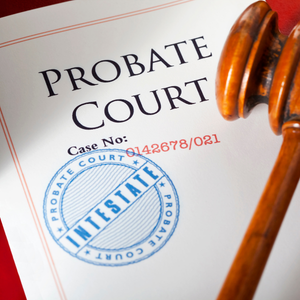
The length of the probate process can vary widely depending on the complexity of the estate, potential disputes, and the efficiency of the probate court. It could take anywhere from several months to a few years.
Most states require court approval before you can sell inherited property during probate. This means getting a formal appraisal, listing the property for a reasonable time period, and sometimes getting multiple offers to prove you’re getting fair market value.
The good news? Courts understand that distressed properties are different. Judges see these cases regularly and know that a house with a caved-in roof isn’t going to sell for the same price as the pristine home next door.
If you’re working with Sell My House, we understand probate requirements and can help make sure your sale meets court approval standards. We’ve handled countless probate sales and know exactly what documentation courts need.
Some states have simplified probate procedures for smaller estates, and the thresholds differ everywhere. Washington allows a small estate affidavit under RCW 11.62.010 when total probate assets come to less than $100,000. That affidavit cannot transfer real estate, so an inherited house still goes through probate here.
How Multiple Heirs Can Agree on Selling Inherited Problem Properties
Nothing creates family drama quite like inheriting property together. I’ve seen siblings who hadn’t spoken in years suddenly become business partners in a crumbling house they can’t afford to fix.
When multiple people inherit the same distressed property, you’re essentially forced into a partnership. Everyone has equal rights to the property, but everyone also shares equal responsibility for expenses like property taxes, insurance, and emergency repairs.
The math gets ugly fast. If the roof starts leaking and needs a $15,000 repair, each heir is responsible for their share. If one person can’t pay, the others have to cover it or watch the property deteriorate further.
Here’s the reality: most multiple-heir situations end in a sale. It’s rare that everyone wants to keep the property, and it’s even rarer that everyone can afford their share of the ongoing costs.
The cleanest solution is usually selling to a cash homebuyer in Seattle, WA, who can close quickly and divide the proceeds. Traditional sales with multiple heirs can drag on for months while everyone argues about listing price, repairs, and agent selection.
I always recommend getting everything in writing. Create a simple agreement about who’s responsible for what expenses, how decisions get made, and what happens if someone wants out. It prevents a lot of arguments later. The mechanics of a multi-owner sale run the same either way, and we lay them out in how to sell an inherited property in Washington.
Assessing the True Condition and Value of Your Inherited Distressed Home
Walking through a distressed property for the first time can be overwhelming. You’re looking at peeling paint, maybe some water damage, and outdated systems and wondering if anything is salvageable.
Get a Professional Inspection
Get a professional inspection, even if you think you know what you’re dealing with. Even if the home has been relatively well-maintained, there may be issues in the walls of which the owner was unaware, such as mold, rotting, or insect damage.
The inspection isn’t about finding problems to fix. It’s about understanding what you’re really inheriting. Some issues are cosmetic and cheap to address. Others are structural and expensive. Knowing the difference helps you make smart decisions.
Know the Difference Between Cosmetic and Structural Issues
Foundation problems, electrical issues, plumbing disasters, and roof damage are the big-ticket items that can make or break your decision to keep the property. Cosmetic issues like outdated kitchens and worn carpeting are annoying but manageable.
Don’t rely on online valuation tools for distressed properties. They can’t account for the specific damage and needed repairs. Get a comparative market analysis from a local agent who understands distressed property values in your area.
Consider getting multiple opinions. What one contractor sees as a $50,000 renovation project, another might price at $30,000. The difference matters when you’re deciding whether to repair or sell as-is.
Financial Obligations You Face When Inheriting a Problem Property
Inheriting property isn’t free. From the moment you legally own it, you’re responsible for ongoing costs, whether you live there or not.
Ongoing Costs You’re Responsible For
Property taxes continue accruing. Insurance is essential, especially for vacant properties. Utilities might need to stay on to prevent pipes from freezing or to maintain security systems. These costs add up quickly.
Inherited property often comes with ongoing expenses such as property taxes, insurance, maintenance, and potential mortgage obligations. Even if you’re not planning to sell right away, these costs can affect your overall financial situation.
Vacant properties often require higher insurance premiums. Insurance companies see empty houses as higher risks for vandalism, theft, and damage that goes unnoticed. Budget for these increased costs.
Dealing with Existing Mortgages and Emergency Repairs
If the property has an existing mortgage, you need to understand your options. The loan doesn’t disappear when someone dies. You might be able to assume the mortgage, pay it off, or sell the property to satisfy the debt.
Emergency repairs can’t wait for probate to finish. If the roof starts leaking or a pipe bursts, you need to address it immediately to prevent further damage. Keep some cash available for these situations.
How to Handle Outstanding Liens and Debts on Inherited Real Estate
Here’s something that catches people off guard: you don’t just inherit the property. You inherit the problems that come with it.
Outstanding liens travel with the property, not the person. If there are unpaid contractor bills, tax liens, or HOA assessments, they become your responsibility as the new owner.
If the house comes to you with unpaid taxes, settling the bill falls to you. Think through the other debts you may be taking on along with the property.
Get a title search done as soon as possible. This reveals any recorded liens, judgments, or other claims against the property. Some liens might be old and invalid, but others will need to be paid before you can sell or refinance the property.
Property tax liens are particularly problematic because they take priority over almost everything else. If the previous owner owed three years of back taxes, you’ll need to pay them to clear the title.
Mechanic’s liens from unpaid contractors can be tricky. Sometimes they’re legitimate, sometimes they’re inflated or fraudulent. An attorney can help you evaluate which liens are valid and which can be challenged. Our guide on whether you can sell a house with a lien in Washington covers the common types and how each one gets resolved.
The good news is that we see lien problems all the time at Sell My House. We can usually clear them as part of the sale rather than sending you off to sort them out first.
Dealing with Code Violations and Municipal Fines on Inherited Properties
Cities don’t care that you just inherited a property with violations. They want the problems fixed, and they want them fixed now.
Code violations can range from overgrown grass and peeling paint to serious structural issues and illegal additions. Each violation typically comes with a deadline for compliance and escalating fines if you don’t act.

The previous owner might have been ignoring violation notices for months or years. Those notices are now your problem, along with any accumulated fines and penalties.
Start by contacting the local code enforcement office. In Seattle and across Washington, explain that you recently inherited the property and ask for a complete list of outstanding violations. Sometimes you can negotiate payment plans or extended deadlines, especially if you’re actively working to address the issues.
Some violations are easy fixes. Others require major construction projects. Prioritize life safety issues like electrical problems or structural damage. Cosmetic violations can often wait while you decide whether to repair or sell.
If you’re planning to sell quickly, be upfront with potential buyers about known code violations. Cash buyers and investors often purchase properties specifically because they can handle these issues efficiently.
Tax Implications of Inheriting and Selling Distressed Real Estate
The tax situation with inherited property is actually better than most people expect, thanks to something called the stepped-up basis.
When you inherit property, whether real estate, securities, or almost anything else, the IRS applies what is known as a “stepped-up basis” to that asset. This means that for tax purposes, the base price of the asset is generally reset to its value on the day that you inherited it. If you inherit property and then immediately sell it, you will owe no taxes on those assets.
This is huge. Let’s say your aunt bought her house for $50,000 in 1985, and it’s worth $200,000 when you inherit it in 2026. Your tax basis becomes $200,000, not $50,000. If you sell it for $200,000, you owe no capital gains tax.
The step-up in basis can have significant income tax benefits for heirs. When you eventually sell the inherited asset, you will only owe capital gains tax on any increase in value that occurs after the date of inheritance.
But here’s the catch: you need proper documentation of the property’s value at the time of death. Get a professional appraisal as close to the date of death as possible. This establishes your stepped-up basis and protects you if the IRS ever questions your tax return.
The estate tax has a minimum threshold. In 2026, that threshold is $15 million or $30 million for married couples. Most inherited properties won’t trigger estate taxes, but it’s worth understanding the rules.
State taxes vary widely, and Washington sits on the strict end. The state estate tax starts at $3 million, well below the federal line, though Washington charges no inheritance tax. Check where the whole estate lands before you assume nothing is owed.
Insurance Considerations for Vacant and Distressed Inherited Homes
Standard homeowner’s insurance doesn’t cover vacant properties. Most policies have clauses that void coverage if the home is empty for more than 30-60 days.
Vacant property insurance is more expensive than regular homeowner’s coverage, but it’s essential. Insurance companies see empty houses as targets for vandalism, theft, and undetected damage from burst pipes or roof leaks.
Distressed properties present additional insurance challenges. If the roof is already damaged, the electrical system is outdated, or there are structural issues, insurance companies might refuse coverage altogether or require immediate repairs.
Get insurance quotes before you decide whether to keep or sell the property. If coverage is unavailable or prohibitively expensive, that’s a strong signal that selling quickly might be your best option.
Some insurers specialize in distressed and vacant properties. They understand the risks and price their policies accordingly. Work with an agent who has experience in this niche market.
Document the property’s condition with photos and video before getting insurance quotes. This helps insurers understand what they’re covering and can speed up the application process.
Property Management Options While Deciding What to Do with Inherited Real Estate
You don’t need to do it all yourself. A property management company can take care of basic maintenance, security checks, and emergency repairs while you work on a long-term plan.
Management services for vacant, distressed properties can include regular inspections, lawn care, snow removal, and coordinating needed repairs. They can also manage interactions with code enforcement offices and insurance companies.
Cost varies, but expect to pay $100-300 per month for basic vacant property management, plus the cost of any repairs or maintenance. It’s costly, but it safeguards your investment and allows you time to make informed decisions.
Some property management companies specialize in inherited properties and distressed properties. They understand the unique challenges and can provide realistic time frames and estimates of cost for different options.
If the property is in another state or far from where you live, professional management is even more important. You can’t do repairs and maintenance from hundreds of miles away.
Think of management services as a stopgap measure while you figure out whether to sell, rent, or renovate. Most companies have month-to-month agreements for inherited properties.
Should You Repair or Sell Your Inherited Fixer-Upper Property As-Is?
This is the million-dollar question, and the answer depends on your specific situation, not generic advice from real estate blogs.

Financing costs were the top headwind in the Spring 2026 RCN Capital and CJ Patrick Investor Sentiment Survey, named by just under 55% of respondents. Rising home prices came next at 33%, then rising material and product costs at 30%. Even experienced investors are finding renovation projects harder to pencil out this year.
Start with the math. Get realistic repair estimates from licensed contractors, not your brother-in-law who’s “handy.” Add 20-30% to whatever estimates you receive because projects always cost more than expected.
Compare the total investment (purchase price plus repairs) to the likely sale price after renovations. If the numbers don’t work with a significant margin for error, selling as-is probably makes more sense.
Consider your available time and stress tolerance. Renovation projects consume enormous amounts of time and energy, especially if you’re managing contractors while dealing with the emotional aspects of losing a family member. This is especially true when you’re trying to sell a house with asbestos.
Cash buyers and investors purchase distressed properties specifically because they can handle renovations efficiently. They have established contractor relationships, bulk pricing on materials, and experience managing complex projects.
Sell My House buys properties in any condition. We can often close in weeks rather than the months a traditional sale takes, and we take on the repair headaches ourselves.
Understanding Cash Offers vs Traditional Financing for Problem Properties
Cash offers and traditional financing work very differently, especially for distressed properties.
Traditional buyers using mortgages need properties that meet lending standards. Most distressed properties don’t qualify for conventional loans until significant repairs are completed. This limits your buyer pool and can extend sale timelines significantly.
Short sales take even longer, sometimes a full year. If the inherited house is worth less than the mortgage against it, the lender has to approve the sale price, and that approval is slow.
Cash buyers can close quickly because they don’t need mortgage approval or property inspections required by lenders. They purchase properties in any condition and handle repairs themselves after closing.
The trade-off is typically price. Cash buyers need to account for renovation costs, carrying expenses, and profit margins in their offers. You’ll usually receive less money than you would from a traditional buyer, but you’ll close faster and avoid repair responsibilities.
Cash buyers also provide certainty. Traditional sales can fall through if buyers can’t get financing or if inspections reveal problems. Cash sales rarely fall through once you have a signed contract. That certainty matters more than the headline number to a lot of heirs, which is why we buy houses in Renton, WA, and across King County in whatever shape they are in.
For inherited distressed properties, cash sales often make the most sense. You get quick closure, avoid renovation headaches, and can move on with your life. If you’re in the area, we buy houses across Washington, from Tacoma to SeaTac, and can walk you through your options.
Legal Documents Required When Selling an Inherited Distressed Home
Selling inherited property requires more documentation than typical real estate transactions.
| Document | Purpose | Who Requires It |
|---|---|---|
| Letters Testamentary / Letters of Administration | Proves your legal authority to sell as executor or administrator | Title company, closing attorney |
| Will or Trust Documents | Establishes how the property was owned and transferred | Probate court, title company |
| Death Certificate (multiple certified copies) | Confirms the owner’s passing and triggers legal transfer | Title company, lender, probate court |
| Updated Property Deed | Reflects new ownership after probate or trust transfer | County recorder, title company |
| Title Insurance | Verifies chain of ownership and protects against claims | Buyer, lender |
| Property Disclosure Statement | Documents known issues with the property | Buyer, required by most states |
| Tax Clearance Certificate | Proves all property taxes have been paid | Required in some states before closing |
Common Mistakes to Avoid When Inheriting Distressed Real Estate Assets
- Rushing into decisions during an emotional time. Take time to understand your options before committing to any course of action.
- Ignoring the property, hoping problems will resolve themselves. Vacant properties deteriorate quickly, and small problems become expensive disasters without attention.
- Taking on major renovation projects without realistic budgets and timelines. I’ve also seen people lose a lot of money because they didn’t think about how much repairs would cost or how much the property would be worth after they fixed it up.
- Assuming you have to keep the inherited property. Emotional attachment to family homes can cloud financial judgment. Sometimes selling is the smartest decision for everyone involved.
- Hiring contractors who demand large upfront payments or don’t provide detailed written contracts. Bad contractors can turn manageable projects into financial disasters.
- Neglecting insurance coverage for vacant properties. Standard homeowner’s policies don’t cover empty houses, leaving you exposed to significant liability.
- Making decisions without understanding tax implications. The stepped-up basis rules can significantly affect your financial outcome, but you need proper documentation to take advantage of them.
- Handling complex situations without professional help. Attorneys, accountants, and experienced real estate professionals can save you money and prevent costly mistakes.
Frequently Asked Questions
What Is the 2 Year Rule for Inherited Property?
The 2-Year Rule is a tax rule that lets you exclude capital gains on the sale of an inherited home if you lived in it as your primary residence for at least 2 of the 5 years prior to the sale. You can save yourself a lot of money if you move into the property you’ve inherited before you sell it.
What Are the Six Worst Assets to Inherit?
The most problematic inherited assets are usually distressed real estate with major structural defects, timeshares with mandatory fees, business partnerships with debt obligations, collectibles that lack clear markets, retirement accounts with required distributions, and properties with environmental contamination. Before taking the inheritance, each has to be assessed thoughtfully.
How to Avoid Paying Taxes on an Inherited Property?
Using the stepped-up basis, which resets the property’s tax basis to its fair market value at the time of inheritance, you can lower your taxes. Usually, if you sell right away, you don’t owe capital gains tax. You may also qualify for additional tax exclusions if you have lived in the home for 2 years prior to selling.
You don’t have to be burdened by inheriting a distressed property. You have more options than you think, and you don’t have to figure it all out immediately.
If you decide to renovate, or sell as-is, or maybe do something else, make sure you understand the financial and legal implications of your choice. Get professional advice when needed and don’t let emotional attachment to family property cloud your judgment about what makes the most financial sense.
If you want to talk through your options, contact us. We’re here. No pressure, no obligation. Sometimes it helps to discuss your situation with someone who’s seen it all before and can give you straight answers about what to expect.
Helpful Blog Articles