
You need to know about Seattle’s different neighborhoods, each with its own pros and cons, if you want to go around. Seattle is one of the most exciting cities in the Pacific Northwest. There are busy metropolitan districts and quiet suburban escapes. But, like in any big city, some neighborhoods are safer and nicer to live in than others. Some neighborhoods have a bad reputation and a lot of violence. This guide tells you everything you need to know about the best and worst neighborhoods in Seattle, Washington. It shows people where to live or visit in this busy metropolis by pointing out areas of concern.
Introduction to Seattle Neighborhoods
Seattle is a busy city with many neighborhoods and locations. You can taste the area’s unique flavor in every place you go, whether you’re in the busy downtown area or the tranquil outskirts. People who desire to live in or visit Seattle should know about the city’s crime rate, even if it is famed for its culture and natural beauty. In this post, we’ll talk about the many groups of people who live in Seattle and the crime rates in different neighborhoods. If you know these things, you’ll have a complete picture of life in the Seattle area and be able to discover safe and welcoming places to visit or reside.
Overview of Seattle’s Community Diversity

Seattle has a lot of distinct cultures in its neighborhoods, so there’s something for everyone. Each neighborhood in the Seattle area has its own distinct style. For instance, South Lake Union is more about technology, while Fremont is more about art. This varied town attracts people from all over because it is full of life. People who live in Seattle usually praise the neighborhoods for being friendly and having a strong feeling of community, which are two crucial features of life in the city. Capitol Hill and other bustling areas feature a lot of nightlife and a lot of places to eat that show off Seattle’s diverse culinary culture. In the meantime, neighborhoods like Ballard that are smaller still have their charming, old-fashioned feel. You can see the neighborhood’s Scandinavian heritage in the buildings and the way people get together.
People who live in and visit Queen Anne adore it because it has great views of the Seattle skyline. Seattle is famous for having a lot of varied neighborhoods, each with its unique personality. People in these areas join together for community events and festivals, which makes them feel like they belong and are part of something bigger. There is always something new to find in the area because of the mix of neighborhoods. As Seattle gets bigger, its neighborhoods change, but they still have the things that make them unique. This keeps each sector of the city from becoming too much like the others.
| Neighborhood | Characteristics | Crime Insights |
| South Lake Union | A hub of tech industries with modern architecture and vibrant urban life. | Lower crime rates with occasional concerns about property theft. |
| Fremont | Known for its bohemian vibe, arts scene, and quirky public art installations. | Community-focused safety initiatives have reduced petty crime. |
| Capitol Hill | Cultural epicenter with lively nightlife, diverse communities, and rich history. | Moderately high crime rate due to nightlife activity, with increased patrols on weekends. |
| Ballard | A blend of Scandinavian heritage and a flourishing craft brewery scene. | Generally safe, but recent uptick in car break-ins has raised community awareness. |
| Queen Anne | Characterized by historic homes, stunning views, and a family-friendly atmosphere. | Relatively low crime rate, with vigilant neighborhood watch programs. |
| Belltown | Trendy area with a mix of residential spaces, dining, and entertainment options. | Higher crime rates, particularly related to property crimes, with ongoing improvements in security measures. |
This table encapsulates the diverse tapestry of Seattle neighborhoods alongside key insights into their safety dynamics, offering a comprehensive snapshot for residents and visitors alike.
Understanding Seattle’s Crime Landscape
Seattle’s crime rate is high and has a huge effect on the communities. People who reside in or visit Seattle can use crime maps and other resources to learn how safe the area is. These maps display crime rates in different areas and give a visual representation of all the incidents that have happened, which might help you locate prospective hotspots. Seattle’s crime statistics are not the same as those in other cities. Crime is more widespread in some areas since there are a lot of people living there, and the economy is different. This is why anyone who is relocating to or visiting Seattle should keep up with these changes.
Crime rates may be higher in some places than in others, which suggests that the problems are more localized than they are across the whole community. Belltown is a busy neighborhood with a lot of people living there and entertaining things to do at night, so crime rates have gone up and down there. It could be quite crucial for citizens’ safety and peace of mind to know about these trends. Community groups and the police are working together to make things safer and cut down on crime, even if there are challenges in some areas. People who live in an area can help make it safer by staying up to date on local news and being involved in community projects. It’s still necessary to keep an eye on crime patterns and figure out what causes them in order to make Seattle’s neighborhoods safe and welcoming.
Exploring Capitol Hill
Capitol Hill is one of the most intriguing and active parts of Seattle. It has a lot of history and culture. It is one of the most well-known communities in Washington State, and its history is as varied as the people who live there now. But like every city, it has significant issues with safety and living circumstances that those who are contemplating moving there should think about. This analysis will look at the history of Capitol Hill to see how it has changed over the years. It will also examine the area’s present safety and living conditions to give a thorough picture of this unique part of Seattle.
Historical Background and Cultural Significance
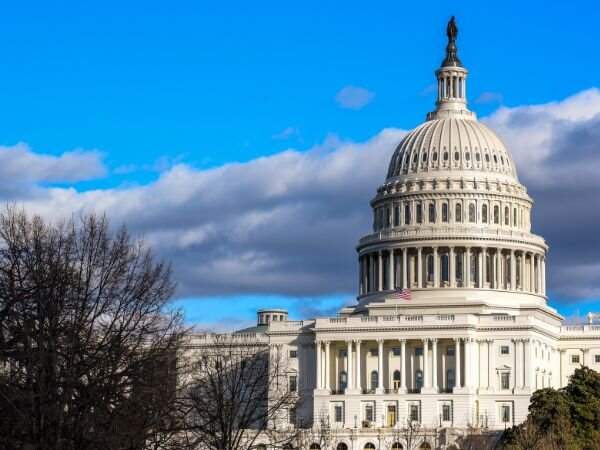
In Washington State, Capitol Hill is a historic asset. It was first established in the late 1800s as a nicer place to live. The neighborhood’s architecture, which ranges from Victorian to Art Deco, indicates how important it is in history. The different styles make the neighborhood’s architecture even more interesting. Capitol Hill is known for being a center of cultural movements, especially in the 1960s and 1970s, when it was a hub for countercultural activity. This is partly because it is close to the core of the city, which makes it a natural place for people to get together to express themselves via art and politics.
Capitol Hill’s cultural significance is further evidenced by its vibrant expressions of community spirit, particularly through its LGBTQ+ festivals and marches, which are integral to its identity. This neighborhood is a terrific place for music and the arts to grow. The music scene has changed since places like the legendary Neumos host both local and international acts. There are several theaters and art galleries in the region, which makes it a more culturally rich place and gives people a lot of creative things to do. This area’s rich culture attracts a diverse range of people, including young professionals, artists, and people who have lived there for a long time. This makes the place lively and friendly.
Capitol Hill is a terrific place to live, but its history and culture are just as significant. You can see this in the things that happen and the way people live there every day. The area is valued by its residents because of its history and cultural activities. It firmly identifies with both traditional and progressive values. Capitol Hill is still an important part of the Seattle area since it has a lot of history and a lot of fun things to do.
Living Conditions and Safety Concerns
Living on Capitol Hill has its pros and cons. People who are contemplating living there should know that the neighborhood still seems like a busy city, which is both good and terrible. People who live in the neighborhood say it’s easy to stroll around and has several public transit options. This makes it easy for them to get to Seattle’s bigger metropolitan areas. But this ease of access has a downside: it can make living conditions more crowded and maybe even raise crime rates compared to some other parts of Seattle.
People who live on Capitol Hill talk a lot about how safe it is. Some portions of the neighborhood have greater crime rates than others, just like in many cities. There are safety issues in general, but it’s important to know that the community is working hard to fix them. The police and community groups work together to make communities safer by having town hall meetings often and launching programs to lower crime rates and make neighborhoods safer. You should also think about how much it costs to reside on Capitol Hill. Because so many people want to live there, rent and housing costs might be very high. Many people who reside there still consider that the dynamic culture and convenience are worth the money they spend.
Most people who reside in Capitol Hill think that the area’s communal feel and amenities are what keep them there. There are a lot of restaurants, businesses, and things to do in the region, which makes living better there. Like any city, there are safety concerns, but the fact that the community and local government work together makes people feel comfortable. Capitol Hill is still a bustling and interesting part of Seattle. This fascinating area has a mix of history, culture, and modern city life.
The Reality of Belltown
Belltown is a lively district in the heart of Seattle that is full of art and history. People know Belltown for its fun nightlife and artsy vibe. There are a lot of things to do and see for both locals and tourists. It does, however, have difficulties like many other communities in Washington State, such as high crime rates. This segment will talk about the best things about this busy neighborhood and the intricacies of its property crime problem. This will help you understand more about Belltown and how it fits into the rest of Seattle.
Highlights and Attractions
Belltown is a busy part of Seattle known for its various cultural events and attractions. There are a lot of artists and businesses in Belltown. There are a lot of exciting things to do and historical attractions to see. Visitors to the Olympic Sculpture Park can observe outdoor sculptures against the lovely Puget Sound. The area’s appeal is bolstered by its lively music scene, which includes The Crocodile, a well-known club that has hosted great performers for decades. There are several restaurants in Belltown, from luxury ones to simple cafés, that serve food from all over the world. For food enthusiasts, this is a terrific place. The people who live in the area are just as varied as the area itself. Belltown is a bustling mix of houses and businesses because it is close to downtown. This draws in a lot of different businesses, from fresh startups to the main offices of big enterprises. This coming together makes for a bustling atmosphere that is both friendly and entertaining. Belltown is a great area for both tourists and locals since it has a lot of cultural attractions, a vibrant nightlife, and creative streets where people can walk about and enjoy the scenery. The area has its own unique personality because it has a wide range of living spaces, from trendy apartments to high-end condos. The community’s commitment to preserving its artistic past is obvious in the many events and festivals that show off Belltown’s diversity. These kinds of events not only show off the best features of the place, but they also bring people together in a way that matches the city’s atmosphere. Belltown is an excellent example of a neighborhood that does well because it has a combination of history, culture, and modern city living. It is a big part of the Seattle area that brings people here.
Analysis of Property Crime Rates
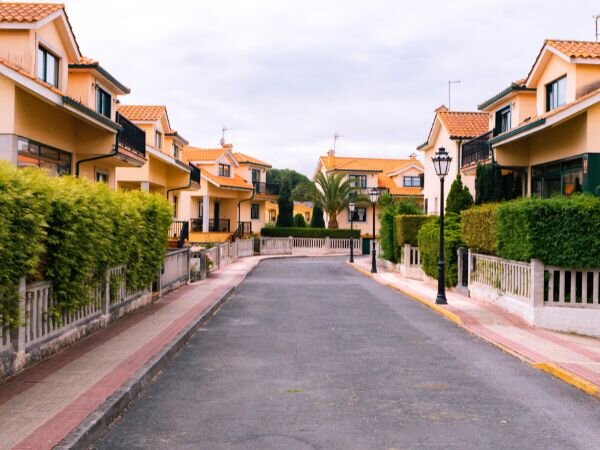
Belltown has a lot to offer, but like many other busy metropolitan neighborhoods, it has its share of difficulties. When looking at property crime rates, it’s clear that Belltown has a higher crime rate than other areas in Seattle. This is something that both residents and city planners often talk about. This is because it has a lot of people, a vibrant nightlife, and is a popular site for both tourists and locals. Because crime rates in cities can vary based on social and economic reasons, it’s important to look at these crime rates in the context of Seattle crime as a whole. The high rate of property crime in Belltown is often caused by theft, burglary, and vandalism, which are all common in crowded places. Local police and community groups that want to make communities safer work together to try to minimize the number of crimes. Programs like having additional police on the streets and starting a neighborhood watch have been put in place to cope with these issues. The goal is to make the neighborhood safer for everyone, including people who live there and anyone who visits. These kinds of things are very essential because they could affect how people commit crimes and make Belltown a better place to live. You may notice a wider pattern when you compare these figures to those from other parts of Seattle. Crime rates fluctuate up and down because of variables like changes in the economy and the number of people living there. But Belltown is attempting to make the area safer and better to live in by focusing on reducing property crime. Belltown is still trying to find a way to make its busy lifestyle safer, and the city and its residents are still helping. This makes it one of the safest and most lively neighborhoods in Seattle.
Based on what we saw before about property crime rates in Belltown, here are some crucial things to do and steps to take:
- Make community policing work better with other organizations to create trust and stop crime.
- Keep a watch on locations with a lot of crime using current surveillance tools.
- Get businesses in the area to join safety and security programs.
- To make places that aren’t particularly obvious safer at night, add additional light to them.
- Increase neighborhood watch programs to get more people to pay attention and take action.
- Hold monthly workshops on community safety to show people how to stop crime from happening.
- Work with social services to aid those who are in danger and stop the things that lead to crime.
The goal of these planned actions is to make Belltown’s future safer and more secure.
Safety Concerns in Other Notable Seattle Neighborhoods
When you look at Seattle’s neighborhoods, you need to know about the city’s safety problems. Some areas are doing well with low crime rates and significant community involvement, while others are having trouble with violent crime and keeping schools safe. We’ll talk about how violent crime affects the health of Seattle’s neighborhoods and how safe public schools are. These recommendations can help you understand the safety situation in Seattle better by providing you with a clearer understanding of what to expect in different areas. Homeowners who need to sell their house fast in Seattle often turn to cash buyers to avoid repairs, delays, and lengthy listings. As a local cash home buyer, Sell My House understands how neighborhood conditions can impact home values and selling timelines across Seattle. If you have questions about selling in one of Seattle’s more challenging neighborhoods? Contact us to discuss your situation and explore a no-obligation cash offer.
Impact of Violent Crime on Community Well-being
In some neighborhoods in Seattle, violent crime is still a big concern that affects how people think about the community and how well it is doing. High crime rates that are high can have a huge effect on the quality of life because they make people feel less safe, which is vital for a community to grow. A lot of violent crime in a community can lower property values, make businesses less likely to invest there, and make people feel more frightened and agitated. This crime grade doesn’t simply affect people’s safety right now; it also affects the community’s social and economic health in the long run. People who live in regions with a lot of crime often claim they feel less connected to their community because fear and distrust can change the way people act toward each other, making it harder for them to work together to make their neighborhoods safer.
To fix these challenges, community-based strategies are highly crucial. A lot of neighborhoods in Seattle have banded together to fight crime by forming neighborhood watch programs, strengthening community policing, and having local meetings to talk about ways to stop crime. Getting people in the area to participate in proactive safety solutions can help make the community stronger, which can help reduce the negative effects of violent crime. Programs that strive to make these neighborhoods safer and give help to people who are at risk can also help lower crime rates by getting to the fundamental causes of crime, such as poverty and a lack of opportunities. Ultimately, a community’s capacity to address violent crime is contingent upon its ability to unite and collaboratively resolve the underlying issues that foster it.
Finding a balance between short-term crime prevention and long-term solutions is vital for the health of a community throughout time. Seattle’s neighborhoods show that even when things are bad, hard effort and good planning can make them safer and better for the people who live there. The impact of violent crime on community health serves as a reminder to be vigilant and devise innovative strategies for ensuring safety to preserve the vibrancy and inclusivity of Seattle’s neighborhoods.
Comparison of Public Schools and Education Safety
Safety in schools is another facet of community safety that varies greatly from one Seattle area to the next. This has an effect on how people regard the area as a whole and how appealing it will be in the long run. Schools in areas with a lot of crime often have challenges that make it harder for students to study and do well in school. People worry about the safety of public schools because of things like violence on campus, bullying, and not enough security measures. These factors can make it hard for students to learn and do well in school. Schools in areas with less crime usually have more stable surroundings, fewer difficulties, and more support from the community. All of these things help make the learning environment better.
Parents and teachers often work together to make schools safer by asking for stronger security measures like surveillance cameras, safe entrances, and the presence of school resource officers. These steps are aimed at keeping kids and staff safe and making the school a safe environment to learn. Schools and local police often have to work together to promptly deal with any threats and make sure everyone knows what to do in an emergency as part of their comprehensive safety plans. Also, becoming involved in the community and doing things outside of school can help make the school a healthier place to be, which could help reduce some of the bad social aspects that come with risky school settings.
The safety of schools is intimately linked to the safety of the area as a whole. To improve it, a broad strategy is needed. It’s very vital to get communities involved in school-based safety programs since both parental involvement and community support are important for establishing safety improvements that last. Seattle is still working on making schools safer, but the main goal is still to make sure that students have safe, loving spaces to learn and grow. This strategy makes not only individual schools better, but also the whole community better. Seattle wants to make the city a place where every child can do well in a safe and supportive educational setting.
Seattle is a city of contrasts. Some neighborhoods are full of life and color, while others are having trouble. When deciding where to live or visit, it’s crucial to know where the safest and most dangerous places are. Each neighborhood in Seattle has its own unique character and risks. Whether you like the hectic neighborhoods or the quieter, safer suburbs, making smart decisions can make your time in the Emerald City more fun and safe. Choose wisely, and you’ll discover that every section of Seattle has a story to tell. Compared to Seattle, neighborhoods in Bellevue, Washington, tend to attract buyers faster due to strong demand and higher median home values.
What are some of the safest neighborhoods in Seattle?
There are a lot of neighborhoods in Seattle that are known for being safe. Queen Anne and other neighborhoods like it are fantastic locations to live and visit because they have low crime rates and a strong feeling of community.
Which Seattle neighborhoods are considered less safe?
Belltown and other parts of Seattle have more crime since there are a lot of people living there, and the nightlife is busy. When you think about these areas, you should know what’s going on with crime in the area.
How can I assess the safety of a Seattle neighborhood?
You can find out how safe different parts of Seattle are by using crime maps and other tools. These maps illustrate crime statistics in a way that makes it easy to locate areas that might be dangerous or have a lot of crime.
Is Capitol Hill a good neighborhood to live in?
People remember Capitol Hill for its vibrant culture and its role in history. Even though it has a lot of amenities and a busy neighborhood, people who are thinking about moving there should think about the higher cost of living and the fact that there are sometimes safety issues.
What initiatives are in place to improve safety in Seattle neighborhoods?
Seattle communities often have community watch programs and additional police officers on the street. These activities, coupled with community events and collaborations, are meant to make the neighborhood safer and minimize crime.
Helpful Seattle Blog Articles