


We Buy Houses Washington
“Sell My House Fast For Cash”
Are you looking to sell your house fast for cash in Washington? If so, we pay cash to buy homes as-is and without expensive fixes or extra fees. This resource guide tells you everything you need to know about selling your home fast.

We’re experienced homebuyers who will pay cash for your house in any condition. We buy houses anywhere in Washington and surrounding areas, so if you’re trying to sell your house fast, we can help.
Our Promise: Our services are free, and you are not obligated to accept our offer. We promise to be transparent, fair, and courteous if you need to sell your house in Washington or the surrounding areas.

I was told that cash home buyers like this will make a good offer at first and nickel and dime you during their inspection. That wasn’t the case at all! Sell My House gave us a fair cash offer and we closed on the day of my choice.
Ruthie Anderson

Cash Home Buyer Washington
Traditionally, choosing to sell your house means waiting weeks or months for the property to sell. Regardless of where your house is located around Washington, our local and family-run business can buy your home for cash. Our cash home buyers can assist you in a wide range of different situations.

Do you need to sell your house for cash in Washington because of a job offer in another city? Are you looking to sell before your home is foreclosed on? No matter the reason, we’ll take the time to identify your needs and determine your home’s sale price. We can close the sale of your house on your preferred timeline.
IN WHAT SCENARIOS?
We Buy Houses Washington In All Situations
There are many reasons you should sell your Washington house for cash, including everything from avoiding foreclosure to selling a house you inherited. Once you determine why you should sell your house, you can call us to begin the home-selling process. We pay cash to buy homes for scenarios like:

Avoiding Foreclosure
Is your house currently scheduled for a foreclosure auction after you’ve defaulted on your mortgage?

Planning To Relocate
Do you want to leave the city for a more peaceful life or relocate for a new job you’ve landed?

Tired Landlord
Are you tired of renting your house to tenants who don’t make their payments on time?


How Can I Sell My House Fast Washington?
Sell Your House fast in Washington in ANY Condition. Give us a call or Fill out our form and let us handle the rest! As Cash house buyers, we make it quickly and easily with our simple three-step process.

Fill out our form, and we will review the details of your property.

We will accept your house “as is” and make you a Fair Cash Offer with No Obligations.

Get your Cash Offer for your house now! Close fast or on your schedule.
We Buy Houses For Cash in Washington
You can take advantage of several benefits when you sell fast to Washington companies that buy homes in cash, including no repairs, no agents, and no fees.
Sell Your Home Without Repairs
Homeowners are usually tasked with making repairs to ensure the property is in good enough condition to sell at the right price. However, these projects cost considerable money and can eat the profits from selling your home. Our cash buyers will give you cash to buy your home as-is, meaning no fixes need to be made.
No Real Estate Agents
There’s also no need to hire an agent to help you with the sale. Your house won’t be listed, so you’ll benefit from not having to pay commissions to the agent in question. Remember that a listing agent usually requires payments of 3% of the sale price. Hiring a reputable real estate agent may cost you even more in cash.
No Fees For Sellers
As the homeowner, another benefit of selling your house to a cash buyer is no fees. you will not be paying any closing costs. Remember that our homebuyers provide full transparency throughout the entire sales process, which extends from the initial valuation of your home to the cash offers we make.


Selling A House For Cash In Washington
We understand that selling your house in Washington can be stressful and difficult when trying to do it yourself. With us, we are the end buyer – so there is no need for realtors, bank appraisals, costly repairs, or any of the hassle of selling your house the traditional way. We make it easy to sell your house fast for cash. See for yourself the difference between Listing Your Property vs. Selling To Us.
So if you’re here looking for someone to buy your house fast for cash, contact us today or fill out the form to request a cash offer!
Get Your Free Cash Offer TODAY
Sell Your House Fast For Cash Washington
We’re an ethical and honest real estate investor and cash home buyer that you can count on. If you want a proven company that will treat you with respect, and fairness, and work to solve your housing problems so you can sell quickly, we’re your solution!
We have been buying and selling homes for years and our reviews speak for themselves. We’ll never change our offer up last minute on you – we’ll pay what we say we will, and there are no repairs, options, or contingencies.
We know that working with a realtor and dealing with home viewings, inspections, bank appraisals, and renegotiations to find the right house buyer in Washington can be time-consuming, frustrating, and not for everyone. Even if an agent has tried and failed to sell your house, we can help; we can buy your Washington house fast for cash – without the realtor fees! We help you Sell Your House Fast For Cash in Washington because we are the end buyer!
Where We Buy Houses in Washington
Our fast home sale service allows us to buy houses fast throughout the Washington areas, which include Bellevue, Burien, Lynnwood, and Redmond. Our goal is to provide homeowners with a simple selling experience regardless of their home’s condition or the damage done to their property. Our service area encompasses numerous cities, covering everything from duplex properties to condos.
Sell Your House Fast In Washington
• Airway Heights
• Auburn
• Bellevue
• Bellingham
• Blaine
• Bonney Lake
• Bothell
• Burien
• Bremerton
• Buckley
• Camas
• Carnation
• Centralia
• Des Moines
• Duvall
• Edmonds
• Enumclaw
• Everett
• Federal Way
• Gig Harbor
• Kenmore
Sell Your Home Fast Washington
• Kennewick
• Kent
• Kirkland
• Lacey
• Lynnwood
• Marysville
• Milton
• Monroe
• Moses Lake
• Mountlake Terrace
• Mukilteo
• Olympia
• Port Orchard
• Puyallup
• Redmond
• Renton
• Richland
• Sammamish
• SeaTac
• Seattle
We Buy Homes Washington
• Shelton
• Snohomish
• Snoqualmie
• South Hill
• Spanaway
• Spokane
• Steilacoom
• Sumas
• Sumner
• Sunnyside
• Tacoma
• Tumwater
• Vancouver
• Vashon
• Washington
• Walla Walla
• Wenatchee
• Woodinville
• Yakima
• Yelm
Helpful Washington Blog Articles
More Resources To Help Sell Your Home In Washington
Sell Your House In Washington The Simple Way
When you decide to sell your home fast to cash buyers, there are six advantages that you should immediately notice.

Competitive Cash Offers
Already received an offer from one or more Washington house-buying companies? If so, tell us the amount of cash you’re set to receive, and we’ll go higher. When we buy a home, we don’t waste time by providing homeowners with low cash offers.

No Commissions or Fees
You don’t need to hire a real estate agent to find a buyer or perform marketing on sites like Facebook and Pinterest, so you won’t pay any commissions. When we buy your Washington home, there aren’t any hidden fees for you to pay.

No Property Repairs
Homes don’t need to be fixed or renovated before we buy them. Selling your home fast means you don’t need to wait for repairs to be made for appraisals.

We Buy Houses Fast!
If we purchase your home in cash, we do so quickly and promptly since financing isn’t a problem. You choose the closing timeline.

No Need To Clean
In addition to the previous benefits, you can sell your home in as-is condition, which means it doesn’t need to be cleaned before closing the sale. Once we give you the cash, just take what you want and leave anything you don’t.

“As-Is” Sale
No matter how damaged your Washington home is or how many repairs need to be made, we’ll pay cash for your home Washington today.
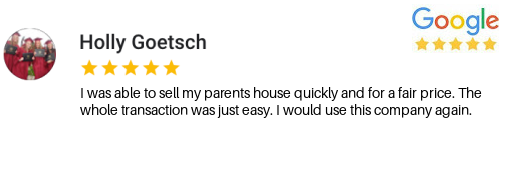
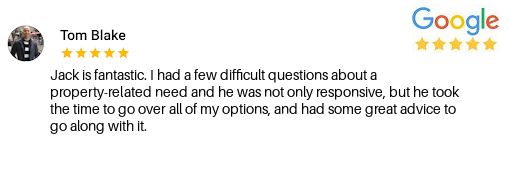
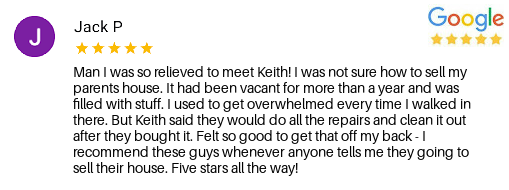
Sell My House Washington Reviews
We love helping Washington sellers and we really love knowing we’re the kind of company sellers can count on!

Cash For Houses Washington
From Washington condos and duplexes to mobile homes, it’s easy to sell your house to a Washington homebuyer company like ours that offers cash. Our goal is to take care of this entire process for you, meaning that you can receive quick cash for your home without feeling stressed. If you’re wondering how fast you can sell your home, this process can be completed in as little as seven days.
Get Your Free Offer TODAY
Advantages Of A We Buy Homes Company In Washington
You’re the type of homeowner who strives to make logical and sound investment decisions. Wanting to receive the cash fast when you decide to sell your home doesn’t make you desperate. Instead, it means you want to receive a fair cash offer if you avoid the time-consuming and frustrating aspects of working alongside an agent.
If we’re interested in your home and agree to buy it, you’ll discover that it’s our responsibility to eventually fix every aspect of the damaged home before we list it on the market. However, this process takes place after we buy your home. We won’t waste your time and will never offer you a low cash offer. To find out what your cash options are, fill out the form on our website.
Selling a House For Cash In Washington FAQs
Before you become our customer, there are some questions that you might want to have responses to. Read the testimonials on our Cash for Houses company website to learn more about what it’s like to sell your home fast and receive cash. Our company’s average rating is high, indicating we are a trusted Washington cash buyer.
Why Is a Cash Offer Better for Sellers?
An offer in cash is considerably better for a seller since falling home values and other issues are never factored into the process. Buying your home in as-is condition means you won’t need to go through the hassle of fixing your home. We’ll communicate with you through every stage to ensure your home is sold fast and on your preferred timeline.
Can You Sell a House in 5 Days?
You can sell your house fast for cash in as little as five days. Once you’ve called us, we’ll evaluate the condition of your home and make you an offer in a matter of hours. Our experts are knowledgeable about performing inspections and can do so quickly to ensure that your home is sold as quickly as you’d like.
What is the fastest way to sell a house?
Whether you live in Bellevue or the surrounding areas, the fastest way to sell your home is to let us buy it. Our house buyers have worked with hundreds of clients and never charge hidden fees. From the minute you call us, we challenge ourselves to complete this transaction as quickly as needed. By not hiring a realtor and listing on the MLS makes a reasonable difference in how fast you can sell your home.
Is Selling My House for Cash a Good Idea?
People often worry that the only way to sell their homes fast and receive cash is to deal with unreliable investors and companies. Our goal is to provide homeowners with a possible solution that will meet their needs and allow them to avoid working with professional realtors who charge a commission.
Even if your home has liens or the interiors haven’t been cleaned in weeks, selling your house fast allows you to control when and how your home is sold, which means you can exercise your rights as the homeowner.
The Easiest Way To Sell Your Washington Home Quickly
Whether someone wants to downsize to a smaller home or get situated in another state, we buy Washington houses on the terms our clients set. We’ve helped many owners sell their homes over the years and have highly-rated reviews to match.
Instead of dealing with a realtor, you can have us buy your home fast and provide you with cash. As the buyer, we don’t need to finance this purchase or apply for a loan, which allows us to close on your schedule.
You may have noticed one of our we buy houses signs in the past. These signs indicate that the process we use to buy homes is simple, fast, and without any obligation. Our buyers know how to work with sellers of every type of property.
When you first call us, we’ll perform an inspection before reviewing the property that you showed us. We’ll then provide you with a fair offer to buy your home, after which you’ll be paid in cash. Deciding to sell your home with us is the best decision you’ll make all year!
Get Your Free Offer TODAY
We buy houses in any condition. No realtors, no fees, no repairs, no cleaning. Find Out How Much We Offer For Your House In Cash! Get a solid offer today!